|
Fruit Trees: Create an Easy Orchard in your Backyard |
A Quick Guide to get you Started
While Fall is a time to harvest the final veggies in our gardens and put them to bed, it is also an active planting season! Many plants, including fruit trees, need a dormant period before being able to produce their flowers or fruit. Planting them in the Fall gives them a chance to take root and adjust to their new home before the ground freezes. Fruit trees are a beautiful addition to our gardens, well worth the often years-long waiting period between planting and producing bountiful fruits. You can look at the USDA’s hardiness zone map to learn which trees grow best in your zone. It is best to grow local varieties that are naturally adapted to your region.
Fruit trees are best planted from early fall until the ground freezes. Be sure to research winter care for them as well. If you miss planting in the fall, it isn’t impossible to do so in the spring. If you do plant in the spring, one trick that you could use for stone fruit trees (think plumbs and peaches—fruits with pits!), for example, is placing the pit in a moist paper towel in the refrigerator for 10 weeks before transferring to the ground.
In his book “The Continuous Vegetable Garden”, Charlie Nardozzi recommends “[using] dwarf and self-fertile varieties [to] reduce both the space needed and the workload required to grow and care for [them][1].” (His book provides a helpful, more in-depth guide to planting berries and fruit trees!)

Hard- and Softwood Cuttings
Stoddart provides some quick guidelines for starting trees from hard- or softwood cuttings.
- Hardwood cuttings: best taken in winter when the plant is dormant. This is great for soft fruits like gooseberry, figs, grapes, and mulberries.
- Softwood cuttings: best taken in summer and can be started from herbs such as rosemary, oregano, thyme, sage, and lavender.[2]
Tips for planting in the face of Climate Change
Climate change is affecting how all of our plants grow. It is causing the USDA hardiness zones to shift. Fruit trees, in particular, often need a certain amount of “chill” hours to bud and fruit properly. Many fruit trees, including apple trees, grow in temperate climates; however, as Morgan and Stoddart note, “ [Being] warmer in summer is not necessarily a bad thing. The problem facing [fruit trees] has more to do with mild winters and wet springs and a generally more erratic climate overall[3].” If you live in a place where the temperatures no longer drop low enough at night for proper budding, consider trying to plant a variety that requires fewer chill hours. Morgan and Stoddart also suggest planting larger trees (vs. dwarf trees), as their roots go deeper, making them more resilient to climate change.
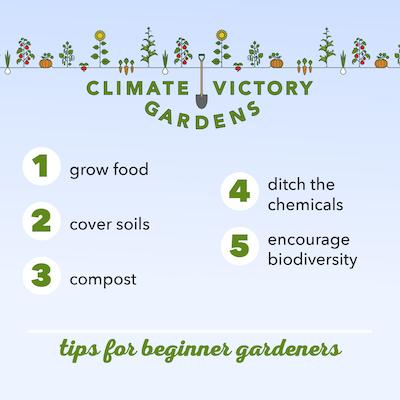
Our Climate Victory Garden tenets hold true for planting fruit trees as well. Just like we encourage for the rest of your Climate Victory Garden, plant a diverse variety of trees. Doing so helps make your trees more resilient to pest and disease outbreaks. Planting a variety of fruit trees also allows you to eat fresh fruit throughout the season, and provide you with enough to freeze or can to eat throughout the winter. What’s more, grow native trees for a more resilient garden. Native trees will be better adapted and hardier to your climate zone, as well as more compatible with native pollinators.
Mulching around the fruit trees helps them withstand extreme temperature changes.
Beyond Apples
Serviceberry (saskatoon) trees are great to plant. They’re hardy and produce beautiful flowers. Many people have them in their yards as ornamental trees; however, the berries are similar to blueberries and great for eating fresh, as jam, or baked into pies!

American persimmons (not to be confused with the Asian persimmon grown in warmer climates, including in the US) do well in many areas of the US. American persimmons must be fully ripe to enjoy, while the Asian persimmon can be eaten prior to full ripeness.

If you’re in the Midwest to the east coast, you can plant a pawpaw tree—the US’s only native tropical fruit—which produces fruit after only 3-4 years. They grow best in Indiana, Ohio, Kentucky, and West Virginia, but they grow in the entire eastern half of the US. Their taste has been described as a custardy banana-mango blend.
[1] Nardozzi, Charlie. The Continuous Vegetable Garden. Cool Springs Press, 2026.
[2] Stoddart, Kim. The Climate Change–Resilient Vegetable Garden. Cool Springs Press, 2024.
[3] Morgan, Sally, and Kim Stoddart. The Climate Change Garden, UPDATED EDITION. 2023.
|
|
PFAS and Pesticides: The Lesser Known Story |
|
|
Voting Guide |
|
|
A new law will boost home insurance retention in California |
California families are facing an insurance crisis – but thanks in part to the actions of Green America and its members and supporters, a new law will help make sure homeowners can weather the storm.
For the past several years, large insurers have stopped renewing policies in California, especially in climate vulnerable areas. Statewide nonrenewal rates rose 82% from 2018 to 2023, according to data collected by the Senate Budget Committee. Some counties saw nonrenewal increases as high as 650%. In many cases, policyholders receive sudden nonrenewal notices with no documentation and no clear path to fix the issue.
To address this, Senate Bill 1301, Nonrenewal Guardrails to Preserve Coverage Act, sponsored by Sen. Ben Allen:
- Requires insurance companies to give homeowners six months' notice of a nonrenewal.
- Requires insurance companies to disclose specific, documented reasons for not renewing a policy.
- Required insurance companies to tell homeowners what steps they can take to keep their home insurance.
- Prohibits insurance companies from not renewing a policy after homewoners inquire about a claim or file a claim within the deductible.
California Gov. Gavin Newsom signed SB 1301 into law on September 27, 2026.
To pass this critical law, Green America worked with Consumer Watchdog and Every Fire Survivor’s Network on a series of actions:
- We mobilized over 450 of our members and supporters to ask their state senator to support this and other insurance bills.
- We joined 40 other public interest groups in signing coalition letters supporting each of the three bills.
- We endorsed the Fix Insurance campaign to pass these bills.
No one individual or single group can make needed reforms like this alone. It takes all of us working together as individuals and groups to make this happen.
Now thanks to all of our actions, California families will have an easier time keeping the insurance they need to stay in their homes.
|
|
Proven Strategies and Tactics To Oppose Polluting Data Centers |
Hyperscale data centers are being proposed nationwide.
So far in 2026, nearly $200 billion in data center development has been blocked or delayed in the United States. Local communities have organized, spoken up at council meetings, staged protests, and used traditional and social media to make their voices heard.
Be prepared to take action to prevent a data center bringing noise, air, and water pollution, and other harms to your community.
The time to start organizing is now!
Organize your neighbors! Across the country we are seeing huge numbers of community members show up at events like local council meetings to oppose data centers and the accompanying pollution. Even if you don’t have a proposed data center near you, the time to act is now. And if Big Tech has already proposed a project, work with your neighbors to ensure it will benefit the community. Green America’s 10 Steps to Ensure AI Data Centers Benefit Your Community is a great resource to get you started.
Research the development. Find out everything you can about the developer, the tech companies that will use the data center, and major contractors. If there's a non-disclosure agreement in place, demand that your elected officials provide greater transparency – you may be able to use your states' open records laws to obtain documents. Try to find out the anticipated land, water, and energy impacts and if there are estimates of noise and air pollution. Find out if the developer, contractors, or tech companies behind the AI Data center have been fined for environmental impacts of prior developments. The more you know the stronger your case will be.
Table at local events and farmer markets – talk one on one with your neighbors, get them to sign a petition, and if people are really engaged, ask them to join you in speaking to elected officials (make sure to get their contact information). You can also reach your neighbors and community through social media and list serves, and post petitions online. Education and mobilization are key to success.
Attend town hall/council meetings and speak up. Your local officials wittingly or not will play a big role in how or if data centers are going to be built. Many are going along with the scheme to get a harmful data center built without public input. And if they are not held accountable to their community, they will likely let Big Tech build. If you are not part of the most impacted community, remember to support the voices of communities at greatest risk from data centers without speaking for them. Demand that local leaders put guardrails in place to prevent predatory data centers.
Success Story! Local officials in Plymouth Township, a suburb of Philadelphia, were prohibited by state law from simply saying “no” to a proposed 2 million square foot data center. So, they issued an ordinance with a 43-point list of requirements for development that would need to be met to develop the data center – covering land use, noise, air quality, and other impacts. The developer is now suing, but the project is on hold.
Get guarantees from elected officials that they won't sign NDAs. Most of Big Tech is muffling policy makers by making them sign Non-Disclosure Agreements which is putting the veil of secrecy and the environmental footprint of data centers. And sometimes even whose data center it is!?
Go to candidate meetings and ask questions. We are already seeing the issue of data centers impact elections. And politicians are paying attention. Attend their rallies or town halls. Bring your friends with signs. Download fact sheets to give to them.
Success Story! In Calvert County, MD, Amazon abandoned development of hyperscale data centers after local residents ousted three county commissioners who previously voted against a pause on data centers. The opposition to hyperscale data centers in Calvery County then scored another victory when a six-month moratorium was put in place in August 2026.
Talk to the press, write letters to the editor, get on social media! There is a lot of media coverage on data centers across the country. But ensuring your local media is aware of the issue and the opposition is another way to mobilize your community and deliver your message to Big Tech. Highlight false and misleading claims by developers and tech titans and provide reporters with facts. If you and your neighbors or friends are going to a city or county council meeting to speak out, call the local media and let them know.
Demonstrate outside of government buildings, proposed data center sites, or developer offices. Make creative signs and fun chants. Hand out fliers. Sing pop songs where you swap out the lyrics to oppose data centers. Invite the media and give a prepared statement. Post your protest on social media or livestream it to get the word out further.
Lastly, tell Big Tech companies, like Meta, their data centers are polluting communities and making climate change worse. Big Tech made commitments to renewable energy and zero climate footprint. Hold them to those promises via emails, phone calls, social media, letters to the editor!
Success Story! Residents and officials in Edgecomb County, NC successfully fought off a $19.2 billion data center. The data center would have occupied up to 300 acres and used up to 900MW of power. The county board of commissioners denied a special-use permit for the project, and subsequently approved a 24-month moratorium on data centers.
Find more inspiring stories of communities pushing back against polluting data centers at Green America’s webinar, Communities vs. Meta: Fighting Data Centers, featuring local activists fighting hyperscale data centers in Texas, Louisiana, and Ohio.
|
|
Communities are Paying the Price for META AI |
Across the country, Meta is rapidly building AI Data Centers. Meta is powering them with giant natural gas plants, creating local air pollution and climate emissions. They are using millions of gallons of water to cool them. The impacts on communities are huge, and many communities are kept in the dark until the data centers are built; when it’s too late to stop them.
Local communities are pushing back and Green America is working to bring these local fights together to demand META treat communities with respect.
Learn their stories
Watch the webinar: Communities Vs. Meta: Fighting Data Centers
The Meta Data Centers that Communities are Fighting
El Paso, TX
- 1 GW, $1.5 billion data center
Activists Fighting Back:
Bowling Green, OH
- 800-1000 acre data center
- Powered by one of Ohio’s largest natural gas plants
Activists Fighting Back:
Richland Parish, LA
- Project Hyperion, a 7 Gigawatt data center
- Powered by 10 dedicated natural gas plants, more than 6X the peak demand of New Orleans
- The natural gas plants will emit massive amounts of smog-forming nitrogen oxides, fine particulate matter, greenhouse gases, and hazardous air pollutants like formaldehyde.
- A Union of Concerned Scientist report found that data centers in Louisiana could result in up to $90 billion in public health and climate damages.
Activists Fighting Back:
Meta is harming communities nationwide, while claiming to benefit them. Learn the truth about Meta’s impacts on climate, water, and communities.
|
|
Leather Buying Guide |
|
|
Vinegar Webinar |
|
|
Big win! Comcast doubled its clean energy. |
We got Comcast to make progress on its use of clean and renewable energy! Thanks to over 8,800 Green Americans demanding Comcast increase its use of renewable energy, and an extensive social media campaign, the company has listened to us and made big progress on clean energy.
In the last year, Comcast doubled its use of renewable energy and its Scope 2 emissions, which mostly come from energy use, fell 15%.
Comcast is one of the largest communications companies in the US. It owns Universal and NBC -- giving it a huge climate footprint and market influence. A large portion of its climate emissions come from its electricity use. Comcast uses millions of megawatts of energy each year to power servers, buildings, and amusement parks.
We profiled Comcast in our Clean and Just Energy is Calling report and scorecard and shared these results with company executives, hosted a petition to the company signed by 8,815 people, reached out to their board, raised the issue of their energy use at their annual general meeting of shareowners, and promoted social media posts and videos to encourage the company to move forward on clean energy.
Comcast’s move to clean energy follows successful campaigns by Green America that got Amazon, T-Mobile, and Verizon to commit to 100% renewable energy.
Comcast now reports that 33% of its electricity comes from clean (carbon-free) energy sources. And 14% of all its energy comes from renewables (solar and wind), double the amount in 2023. When we began our campaign, Comcast’s total emissions from electricity resulted in 1.15 million mtCO2e in 2023, the equivalent to nearly 270,000 cars on the road for a year. So getting the company to move forward on clean energy has a big impact.
Comcast still has a long way to go. The company’s definition of clean energy includes large-scale hydropower and nuclear. These are not renewable sources of energy, and each has significant downsides. That’s why we’re urging Comcast to adopt a goal of 100% renewable energy by 2030, and ensure these purchases ensure energy justice, as an important step in reducing the company’s climate footprint in line with the progress we need on climate change to keep overall temperature increases to less than 1.5 degrees C.
|
|
PFAS and Pesticides: The Lesser Known Story |
Pesticides are Increasingly Forever Pollutants
PFAS, or per- and polyfluoroalkyl substances, are a large class of human-made “forever chemicals” that resist breaking down and can build up in soil, water, wildlife, food, and people. Exposure to some PFAS is linked to serious health concerns, including immune system suppression, reduced vaccine response, endocrine disruption, changes in liver enzymes, elevated cholesterol, thyroid impacts, pregnancy-induced hypertension and preeclampsia, lower birth weight, developmental harms, reproductive effects, and increased risk of kidney and testicular cancers.
These health concerns are especially troubling because PFAS exposures are cumulative and often come from multiple sources at once, including contaminated water, food, dust, consumer products, biosolids, and agricultural chemicals. Beyond Pesticides emphasizes that pesticide-related PFAS should be viewed through the lens of endocrine disruption and long-term biological effects, including changes to hormone signaling, reproductive development, immune function, and gene expression that may influence health across generations.
Beyond Pesticides’ work highlights that PFAS are not just a packaging or contamination problem—they are also built into some pesticide active ingredients and can transform into persistent breakdown products. Research shows that a significant share of conventional pesticide active ingredients are organofluorines, and that many newer active ingredients meet broader international definitions of PFAS. This matters because pesticides are intentionally released across farms, lawns, gardens, parks, schools, and communities, creating a direct pathway for PFAS to contaminate soil, waterways, crops, wildlife, farmworkers, and nearby residents.
Examples of pesticide active ingredients that researchers and advocates identify as PFAS or fluorinated “forever pesticides” concerns include:
- the insecticide bifenthrin
- the fungicides
- fluopyramfludioxonilfluazinam
- the herbicides
- flufenacet
- diflufenican
- trifluralin
- norflurazon
- oxyfluorfen
- penthiopyrad
- trifludimoxazin
- epyrifenacil
These chemicals are hard to pronounce, but what's important to know is that they are widely used on or around food crops, turf, landscape, structural pest control, or other settings. Beyond Pesticides and allied researchers emphasize that these examples matter not only because of their toxicity as pesticides, but because fluorinated active ingredients and degradates—such as trifluoroacetic acid (TFA) from some fluorinated chemicals—can add long-lived contamination to soil and water.
Recent federal pesticide approvals have intensified these concerns. Since November 2025, the current administration has approved five pesticides that environmental health advocates identify as PFAS pesticides: Cyclobutrifluram, isocycloseram, trifludimoxazin, diflufenican, and epyrifenacil. Three of those approvals—trifludimoxazin, diflufenican, and epyrifenacil—were finalized in July 2026, expanding use on major food crops such as wheat, oats, citrus, apples, almonds, corn, soybeans, canola, and peanuts. Advocates including Beyond Pesticides, the Center for Biological Diversity, and the Environmental Working Group warn that this pattern represents a rapid expansion of persistent fluorinated pesticides, while at the same time, the public is calling for stronger PFAS protections in food and water.
Part of the reason these pesticides have received approval, is the EPA uses a narrower, case-by-case definition that can exclude some fluorinated pesticides from PFAS scrutiny, even when broader scientific and international definitions would capture them. From a precautionary public health perspective, the concern is clear: Harmful pesticides already pose risks to living systems. When they are also PFAS chemicals, their impacts can last longer and become harder to control. Stronger disclosure, independent testing, bans or phaseouts of PFAS pesticides, and a transition to organic and regenerative agricultural practices are needed to prevent further “forever chemical” contamination.
What you can do
- Choose organic: For example, certified organic beers tend to have the lowest levels of glyphosate and are already working to end pesticide use and improve agricultural practices in the supply chain.
- Ask questions: Contact brands and ask where they get their ingredients from. Do they have an integrated pest management plan throughout their supply chain? Do they monitor the pesticides being used?
- Support better agriculture: Buy from producers using verified organic and regenerative practices that restrict pesticide reliance. At farmers market, ask farmers if they engage in organic practices even if they are not certified organic (which is expensive for small farms).
- Advocate: Sign onto Green America’s action to B&G; submit comments to regulators; support policy proposals that lower tolerances and require more robust, independent testing. There are apps like 5calls that make it easy and convenient to contact your elected officials.
- Share information: Help others understand that “legal” does not always mean “safe,” and that repeated low-dose exposure is a key concern.
- Reduce overall exposure: Consider broader dietary shifts (more organic where feasible) and filter drinking water if relevant to your area. EWG has a listing of water quality nationwide, including PFAS in drinking water. If you have PFAS, you want to look for filters that meet these standards: When choosing a filtering system, look for one that is “NSF/ANSI 53 certified” (activated carbon and ion exchange) or “NSF/ANSI 58 certified” (reverse osmosis). You can also find a list of filters certified by the National Sanitation Foundation to remove PFAS on the NSF website (under Reduction Claim, select “Total PFAS Reduction”). Regardless of the filter type, be sure to follow the manufacturer’s instructions and replace the cartridges or membranes as recommended.
|
|
Op-Ed | Beer Can Be Saved from Pesticide Contamination. Here’s What Companies and Consumers Need to Do. |
Glyphosate is the most common weed killer in the United States. Known as the active ingredient in Monsanto’s Roundup, it’s used so heavily on crops that residues show up in many foods and beverages, including beer. In February, Green America tested five of the most popular beers in the U.S. for glyphosate and aminomethylphosphonic acid (AMPA), a breakdown product of glyphosate. Contamination was detected in every sample, and the highest level measured was 3.33 ng/g (Heineken).
|
|
FoodTank |
|
|
The DOL could save millions of trees each year |
Outdated federal rules force the printing and mailing of billions of sheets of paper every year. A new proposal from the Department of Labor can change that. Sign our petition!
|
|
Read the summer 2026 GAM |
|
|
Senior Grants & Foundations Manager |
Senior Grants & Foundations Manager
Position Description: Manager of active foundation grants; full-time (32 hours/week) or part-time (24 hours/week) options available.
Supervisor: Director of Development & Organizational Advancement
Benefits Summary: Excellent benefits including health care, dental, cooperative work environment, vacation, sick leave, dependent care leave and flexible work week. Organization-wide weeks off: Week between Christmas and New Year's; Summer Break first week of August
Start Date: Fall 2026
Job Location: Remote within the US; applications considered from candidates in the following states: Arizona, Arkansas, California, Colorado, Connecticut, Illinois, Maryland, Massachusetts, Michigan, Minnesota, New Hampshire, New Jersey, New York, North Carolina, Ohio, Oregon, Pennsylvania, Rhode Island, South Carolina, Virginia, Washington, Wisconsin, District of Columbia
Compensation: $65,000 – $75,000 (full time); $49,000 - $56,000 (part-time)
Organizational Background
Green America is the nation's leading green economy organization. Since 1982, Green America has worked to harness economic power — the strength of consumers, investors, businesses, and the marketplace — to create a socially just and environmentally sustainable society. We work for a world where all people have enough and nature can thrive. We accelerate the transition to a sustainable and equitable economy by working with and transforming the marketplace through programs focused on climate change, food, finance, social justice, and community.
Job Role and Responsibilities
The Senior Grants & Foundations Manager is a relationship-driven, detail-oriented role responsible for managing Green America's foundation grant portfolio, including researching, writing, and managing grants and grant reports. This position works closely with the Director of Development & Organizational Advancement, program staff, and the finance department to ensure grant compliance, accurate reporting, and strong funder relationships. The Senior Grants & Foundations Manager will support the full grants lifecycle — from prospect research and proposal development through award management, reporting, and stewardship — while maintaining and growing Green America's foundation partnerships.
Essential duties & responsibilities:
Grant Writing and Management
- Research, write, and submit grant proposals and letters of inquiry to foundation funders.
- Manage all aspects of active grants, including tracking deadlines, reporting requirements, and award terms through a maintained grants calendar.
- Prepare and submit timely, accurate grant reports in collaboration with program staff.
- Maintain organized records of all grants, correspondence, and funder documentation in Raiser's Edge.
- Monitor grant budgets in coordination with the Finance team to ensure compliance with funder restrictions and accurate financial reporting.
- Identify new grant opportunities through prospect research and maintain an active pipeline of foundation prospects.
Foundation Relations and Moves Management
- Maintain and strengthen relationships with current foundation funders through regular communication, stewardship, and proactive engagement.
- Support moves management for foundation prospects, tracking relationship progress and next steps in coordination with the Director of Development & Organizational Advancement.
- Research and identify prospective foundation funders aligned with Green America's programs and priorities.
- Support the Director of Development & Organizational Advancement in cultivating new foundation partnerships.
- Represent Green America professionally in funder communications and meetings as needed.
Collaboration and Communications
- Partner with program staff to gather outcomes data, impact stories, and narrative content for reports and proposals.
- Collaborate with the Communications team to ensure grant materials align with Green America's messaging standards.
- Provide regular updates to the Director of Development & Organizational Advancement on grant portfolio status, pipeline activity, and upcoming deadlines.
Qualifications
Required:
- 5+ years of experience in grants management, foundation relations, or nonprofit development with a focus on institutional fundraising.
- Demonstrated experience writing and managing foundation grants, including complex multi-year awards.
- Strong written communication skills, with the ability to translate program work into compelling funder narratives.
- Excellent organizational skills and attention to detail, with the ability to manage multiple grants and deadlines simultaneously.
- Experience working collaboratively across departments to gather information and meet reporting requirements.
- Proficiency with Raiser's Edge or similar CRM and grants management systems.
- Experience with prospect research tools and foundation databases.
- Commitment to racial equity, environmental sustainability, and social change values.
- Self-directed and comfortable working independently in a fully remote environment.
Preferred:
- Familiarity with green economy, environmental, or social justice organizations and their funder ecosystems.
- Experience with federal grant management and compliance.
- Bachelor's degree in a related field or equivalent professional experience.
To Apply:
Please send a cover letter, resume, and writing sample to partnerships@greenamerica.org. Please put the position name and which option you are applying for (part-time or full-time) in the subject line of your email.
Applications will be reviewed on a rolling basis. Green America is an equal opportunity employer and encourages applications from candidates of all backgrounds, particularly those from communities historically underrepresented in the environmental and nonprofit sectors.
*****************************************************************************************************************************
Green America is an equal opportunity employer. All qualified applicants will receive consideration for employment without discrimination regarding: actual or perceived race, color, religion, national origin, sex (including pregnancy, childbirth, related medical conditions, breastfeeding, or reproductive health disorders), age (18 years of age or older), marital status (including domestic partnership and parenthood), personal appearance, sexual orientation, gender identity or expression, family responsibilities, genetic information, disability, matriculation, political affiliation, citizenship status, credit information or any other characteristic protected by federal, state or local laws. Harassment on the basis of a protected characteristic is included as a form of discrimination and is strictly prohibited.
|
|
Thank you for signing up! |
You’re in.
Thanks for signing up. We’ll keep you informed about ways you can use your money to support a better planet and all of us on it.
Beyond the Bank
It’s not only your bank but your credit cards, insurance, and investments that play a role in fossil fuels, climate change, and unjust practices.
Explore more ways your money has impact.
Explore More Solutions
Green America holds corporations accountable and brings people and businesses together to build an economy that works for people and the planet. See what we’re working on.
Learn More About Green America.
|
|
Get the Free Guide: 10 Steps to Stop AI Data Centers From Destroying Your Community |
AI data centers are rapidly expanding across the country—bringing higher energy bills, water strain, and pollution to local communities. Even if one hasn’t been proposed near you yet, there’s a strong chance it will be. Too often, these projects are fast-tracked with big promises but little accountability.
Green America’s free guide, “10 Steps to Stop AI Data Centers from Destroying Your Community,” shows you how to take action early—protecting your community, demanding transparency, and ensuring early communication before decisions are made.
Green America drew on the experiences of communities nationwide that are fighting data centers. Some of the communities were successful in fending off a highly-polluting data centers. Others are working to reign in pollution and other harms from a data center that is operating. We looked through hundreds of pages of documentation to distill the strategies that are working best.
We hope you use this guide in your community. It will help you identify the top risks of data centers and how to address them. It also contains tips and strategies for effectively lobbying your local and state officials.
Polluting data centers are being defeated nationwide. Communities are increasingly successful in stopping bad development in its tracks. With this guide, your community can take action too!
Get the 10 steps now!
|
|
Late-Summer Gardening: Reset, Replant, and Save for the Seasons Ahead |
Late August and early September can feel like a turning point in the garden. Tomatoes may still be ripening, herbs may be flowering, and vines may be sprawling everywhere—but the first signs of fall are beginning to show. This late summer transition is a perfect time to pause, tend what remains, and make choices that keep your garden productive, resilient, and aligned with the values of Climate Victory Gardens, like: building healthy soil, protecting biodiversity, growing food locally, and working with nature instead of relying on synthetic chemicals.
Reset the Garden Without Wiping It Clean
A late-summer gardening reset does not have to mean stripping your plot bare. Start by harvesting what is ready, trimming back damaged or diseased foliage, and removing plants that are truly finished. Compost healthy plant material, but keep diseased leaves or heavily pest-damaged plants out of the compost pile unless you are confident your system gets hot enough to break pathogens down.
As you tidy, think selectively. Leaving some seed heads, hollow stems, and fading flowers can provide food and shelter for birds, beneficial insects, and pollinators. Adding compost, refreshing mulch, and covering exposed soil helps protect soil life from heat, erosion, and moisture loss. These simple steps matter because Climate Victory Gardens are rooted in soil health: living soil stores carbon, supports microbes, holds water, and reduces the need for synthetic fertilizers.
Plant for Fall Harvests
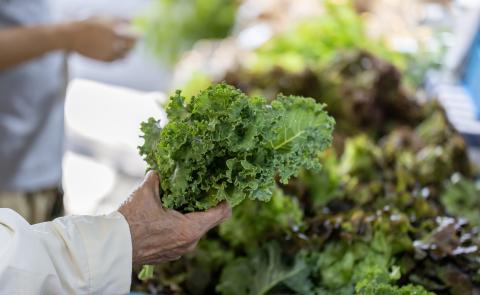
Late summer is also the beginning of the fall growing season. In many regions, this is the right time to sow or transplant cool-season crops such as kale, spinach, lettuce, radishes, carrots, beets, peas, cilantro, and parsley. Gardeners can also begin planning for garlic planting later in the season and consider cover crops for empty beds.
Fall crops make good use of garden space that might otherwise sit bare. They extend the local food harvest, reduce reliance on food shipped long distances, and keep roots in the ground for more of the year. Even a small bed of greens or herbs can contribute to a lower-impact food system. When planted without synthetic pesticides or fertilizers, fall gardens also support cleaner waterways, healthier soil organisms, and safer habitat for pollinators and other beneficial insects.
Save Seeds for Resilience
Seed saving is one of the most empowering late-summer gardening tasks. Start with easy crops like beans, peas, peppers, calendula, marigolds, basil, or other open-pollinated flowers and herbs. Let seeds fully mature, dry them well, label them clearly, and store them in a cool, dry place for next year.
Saving seeds helps gardeners become less dependent on outside inputs and more connected to the full cycle of growing. Over time, seeds saved from healthy plants can become better adapted to local conditions. This supports resilience in the face of shifting weather and strengthens biodiversity.
Late-summer gardening can still be as productive as it was at the beginning and middle of the season. By resetting gently, planting for fall, and saving seeds for the future, gardeners can turn this seasonal transition into climate action: Feeding their families and communities, protecting pollinators, nourishing the soil, and helping build a more regenerative food system one garden at a time.
|
|
Opinion: Ohio’s cautionary tale on data centers is a lesson for us all |
A new Ohio law allows data centers to fast-track approval for major gas plants. So far 12 data center gas plants totaling almost 15,000 MW have been approved and proposed -- with the potential to emit as much greenhouse gas as many entire countries.
|
|
Green America’s Buying Guide for Leather and Alternatives |
Our recent report, Hidden Hands: Child Labor in Bangladesh's Leather Industry, documents extensive child labor and the use of toxic chemicals in leather from Bangladesh.
While companies selling leather bear the greatest responsibility for making leather production safer for workers and for communities, consumers can play a role as well.
If you choose to buy leather or leather-like goods, a few deliberate steps go a long way toward keeping harms to people, animals, and the planet out of the cost of your purchase.
Stop buying new leather
Well-made leather, especially vegetable-tanned leather, can last decades. Before buying new, work through these first:
- Buy used. Thrift shops, secondhand marketplaces, and garage sales are full of leather goods already made years ago — often better for the wear, with softened edges and character new items don't have.
- Buy recycled leather. Look for goods made from reconstituted scraps, offcuts, and manufacturing trimmings. Same durability, no new hides.
- Consider recycled rubber. For shoes, bags, and accessories, recycled rubber can match leather's durability while giving discarded tires and manufacturing surplus a second life — and holds up better against water.
- Refurbish what you own. Leather is repairable: scuffs buff out, seams restitch, soles replace. A local cobbler or leatherworker can extend an item's life well past its first owner.
If you do buy new
Ask how it was tanned
Chrome tanning is the dominant method worldwide, but it relies on chromium, which can be carcinogenic and can pollute nearby communities if wastewater is mismanaged.
Vegetable tanning — the oldest method, using natural tannins from bark and leaves — carries substantially lower environmental and health impacts, according to a 2023 life-cycle study of Italian tanneries.
No tanning method is harmless, though: careless vegetable-tanning operations can still pollute, and irresponsibly sourced tanning materials can add to the deforestation already caused by raising cattle.
Look for real alternatives
Not everything sold as "vegan leather" is a responsible choice. Most is polyurethane or PVC — plastic that sheds microplastics, resists biodegrading, and is made with chemicals that can harm factory workers and nearby communities.
Instead, look for leather alternatives made from renewable, plant- or fungi-based sources. The field has grown fast: from a handful of options a decade ago to more than 70 companies by 2024, a market projected to more than triple every three years. Promising plastic-free materials include those made from olives, grapes, brewery waste, mycelium, and grain proteins — several already used by brands like Ganni, and in development with Kering's luxury houses.
Even the best current alternatives often still use some polyurethane for strength. Favor plastic-free options where you can find them and ask brands that haven't invested in bio-based materials why not.
Speak up: Hold companies accountable
Even brands using better materials need to answer for their impact on workers and the environment. Check a company's public reports before you buy — silence on these questions is itself a signal — and ask directly:
- Do you publish and enforce human rights and environmental standards across your suppliers?
- How far down your supply chain can you trace — to tanneries? To farms?
- Do you support workers' right to organize, and say so publicly?
- Do your prices reflect the true cost of living wages and safe compliance?
- Are you investing in a just transition to ethical, renewable materials?
Resources for consumers
Want to learn more? Check out the following resources:
Collective Fashion Justice
Their Under Their Skin report series covers labor, environmental, and animal-welfare issues across leather supply chains, plus a directory of alternative-material companies.
Good On You
Rankings and guidance on leather alternatives, plus ongoing scores of brands' social and environmental performance.
Green America's GreenPages.org
Shop certified member Ooloop, which sells products from Deadwood and Veja, using upcycled scraps, offcuts, or traceable, vegetable-tanned leather.
PETA's vegan leather guide
Highlights brands such as Ashoka Paris, Gunas New York, and Miomojo, working in materials like bamboo, mushroom, apple, and cactus leather.
|
|
Meta: Stop Big AI from Polluting our Climate & Communities |
With your help, Green America is pushing Artificial Intelligence (AI) companies like Meta (Facebook/Instagram) to use renewable energy so communities aren’t polluted and climate change isn’t made worse by fossil fuels they are using.
|
|
RFP for Social Media Strategist & Copywriter |
|
|
Making "Green Living" A Central Part of One's Life |
Karen Peltz Strauss has been a member of Green America since 2010. She has built a long career advocating for disability rights, particularly for the Deaf and hard of hearing community. She worked at Gallaudet University for over a decade, first providing services for low-income Deaf individuals before transitioning to national policy work on telecommunications access. She was appointed to the Federal Communications Commission during the Clinton administation, serving from 1999-2001, and then again during the Obama administration.
Strauss is the author of A New Civil Right: Telecommunications Equality for Deaf and Hard of Hearing Americans and continues to advocate for expanding closed captioning and audio description, collaborating closely with Deaf and Blind communities. Strauss spoke with Green America’s Executive Editor Michi Trota about how Green America’s work has impacted her life and the lives of her family, as well as her disability advocacy and concerns about the climate crisis and its impact on disabled communities.
This interview has been edited for length and clarity.
Michi Trota: You’ve said Green America is your “North Star on the environment and green living.” What have you found to be most valuable from those many years of membership?
Karen Peltz Strauss: The most valuable thing Green America has done for me has been to provide information and tips about ways I can live a greener, more sustainable life: the benefits of ESG investing, the value of starting a Climate Victory Garden (through your farming webinars), learning which chocolate manufacturers don’t rely on child labor, and the benefits of owning a Soda Stream, which, for our household has eliminated hundreds, if not thousands, of club soda bottles over the years.
On a more global level, I so appreciate Green America’s efforts and consumer campaigns to convince companies to engage in more sustainable practices, such as natural refrigerants in supermarkets, cleaner energy for businesses and data centers, reducing or eliminating the use of paper receipts or making these nontoxic, the removal of chemicals from children’s clothing, and the use of regenerative farming.
Trota: How has your understanding of what it means to “go green” evolved over the years? What are some of the most impactful “green” changes you’ve made in your everyday life?
Strauss: I marvel at all the changes I and my family have made over these many decades, several of which were introduced to us through Green America. Going green is now a central part of our daily lives.
We installed solar panels on our home, which supply all our electricity. We also purchased an electric stove and energy efficient appliances. We use water-saving showerheads and LED light bulbs.
When [our Toyota Prius] died a few months ago, we purchased a fully electric car and now charge it using the energy from our solar panels—an emission free vehicle! When in the city we generally take public transportation (or walk).
We switched to ESG investing and also use a credit union whose core mission is to help the community.
My diet is primarily plant-based, and we have three small [Climate Victory] gardens where we grow many types of vegetables, such as tomatoes, zucchini, peppers, and lettuce, and herbs. For the past three years we have composted all food scraps with our city and at the end of the year in return, the city gives us a 5-pound bag of compost, which we use in our gardens.
We minimize plastic use and recycle [and reuse] everything we can. Just before the pandemic, my husband and I cleared out a stack of old music CDs. But I couldn’t bear throwing away the plastic jewel cases that could not be recycled by our city. One day a post on our neighborhood listserv caught my eye: a local teacher was looking for these for her students’ art projects. It was very satisfying to see them go somewhere they’d be used and appreciated.
This past winter, D.C. went approximately four weeks without any trash pick-up because cold weather following a large snowstorm turned the alleys into mounds of ice, preventing garbage trucks from getting through. For us this didn’t matter. Because we recycle, compost, and reuse to such a great extent, we easily went the entire time with only a single trash bag.
Trota: You’ve built a career on disability advocacy, particularly focusing on working with the Deaf and hard of hearing communities. How have you seen climate change impact disabled communities?
Strauss: The ability to obtain emergency information, evacuate, and access transportation and emergency services can be significantly more challenging for people who are deaf, blind, or have mobility disabilities.
As the frequency of weather emergencies increases, so too does the importance of ensuring that disability communities have access to timely and accurate information through the same media sources that everyone else uses. This means that when a television station airs emergency broadcasts, it must provide closed captions so that people who are deaf and hard of hearing can read what the newscaster is saying. The station also needs to include audio description so that people who are blind can understand what is being shown on the screen.
It is particularly essential that these measures be taken in advance of extreme weather events so that people with disabilities can be informed how to effectively evacuate and take other precautions.
Much of my work has focused on partnering with nonprofit accessibility organizations and working at a federal agency to draft laws and regulations that ensure accessible communications for people with disabilities. These efforts have been successful in expanding access to 911, televised emergency programming, and mobile weather alerts. Yet significant gaps remain.
Currently, my colleagues and I are working to ensure that deaf individuals who rely on American Sign Language (ASL) can communicate directly with 911 call takers who are fluent in ASL. Today, most depend on video relay services, where sign language interpreters relay information back and forth between callers and emergency personnel. In highly stressful situations, this indirect communication can result in critical delays and errors. Direct video communication—already in use by the 988 Suicide and Crisis Lifeline—can provide a faster and more effective response for regional and local 911 centers with Internet capabilities.
On a related front, the World Institute on Disability is collaborating with organizations and local governments to strengthen emergency preparedness for people with disabilities through its Emergency, Disaster and Climate Resilience Services program.
Trota: You and your family share a passion for justice-oriented work, working in fields like criminal justice, complex energy law, and public defenders. What are some of the ways you bring “green living” into those pursuits?
Strauss: My husband and I both went to law school with a goal of finding legal careers that advance a more just and inclusive society. This is why the principles of Green America resonate so deeply with us. Just as equity and inclusion are foundational to Green America’s mission, so too are they central to the work we do.
My career has been devoted to ensuring the full inclusion of people with disabilities to ever-evolving communication technologies that are essential for independence and meaningful participation in employment, education, civic life, and recreation.
As an energy attorney, my husband works with cities, states, and consumer advocates to develop regulatory policies that promote reliable, affordable, and renewable energy sources, such as solar and wind. His work also includes ensuring that members of energy worker unions earn fair wages and have safe workplaces.
Trota: Having seen how Green America has evolved over the last quarter of a century, where do you hope the organization can go next?
Strauss: Continue doing the terrific job of helping people learn how to make their lives greener and urging companies to engage in more sustainable and equitable practices.
I hope that Green America takes new steps to include the voices of people with disabilities in its environmental initiatives. As Alisa Gravitz wrote in the Spring 2025 edition of Green America’s magazine, “[c]reating a truly sustainable future requires all voices at the table.”
Meier Galblum Haigh of Disability Culture Lab delivered a similar message when interviewed by GA in “Embracing a Diversity Perspective in DEI Work” in the same edition.
Trota: What is something that brings you joy in these difficult times?
Strauss: Spending time with my grandchildren always brings me joy. Playing games, sharing meals, reading together and cheering them on at sporting events and school performances is always a delight. I also find joy in the calm of a beach with my husband, especially at sunset. Last but not least, dancing makes me joyful!
|
|
Fighting Financial Gatekeeping: Ethical Banks and You |
When you think of community centers, you probably think of libraries, churches, and the YMCA. Are banks ever on that list? They should be. No, they’re not third spaces where you gather outside of work and home, but ethical banking and financial institutions are powerhouses when it comes to local development, especially when larger institutions like megabanks and government fail us.
Megabanks invest astronomically in fossil fuels, actively fueling the destruction of a healthy planet and a healthy future for all living things. The 65 largest banks worldwide contributed $906.4 billion in 2025 alone, according to the 2026 Banking on Climate Chaos report, up from $842 billion in 2024. These global forces also feed wealth inequality by consistently denying loans, mortgages, and other monetary aid to marginalized people. And instead of ensuring equitable access to these financial resources and holding institutions to account, our politicians fail to pass policies protecting everyone’s financial opportunities and futures.
This is where credit unions, community development financial institutions, and ethical finance professionals come in.
Locking Financial Literacy and Throwing Away the Key
Wealth inequity has not dramatically improved in any category in decades.
“There is a financial cost to being anything other than a white man in our society,” Diana Yanez, a financial advisor with Natural Investments{GBN}, puts it plainly. “The pink tax refers to the fact that a woman will likely get a higher interest rate when applying for a loan than a man or a heterosexual couple.” She added that women disproportionately caretake, make a lower income, and suffer from financial literacy failures.
This is intentional, Yanez points out, noting the history of redlining and the destruction of Black wealth, illegally stealing and occupying Indigenous land, and predatory lenders predominantly targeting women, BIPOC communities, LGBTQIA+ people, and more.
The difference that access to large financial resources can make for a healthy future cannot be overstated. For our communities, ethical finance practices support conservation and economic growth.
Loans for projects focused on sustainability, like solar panels or local community gardens, help anyone green their community by minimizing greenhouse gases and promoting healthy soil. Money deposited in credit unions and CDFIs fund these loans, unlike megabanks which use deposits to fund fossil fuels and other harmful investments.
When wealth is more fairly distributed, economies boom. A broader ownership of assets allows people at all income levels to increase responsible consumption, empower entrepreneurship, and investment in human progress (education and skills training, the arts, science and research). Imagine better schools, more small businesses, and economic stability in your community—that’s what wealth equity can do, and to get it, we need to collectively pry open the door to financial literacy.
A Healthy Financial Future at Every Age, for Every Age
Generation over generation, financial literacy drops—Pew revealed 18- to 49-year-olds in 2024 ranked highest among those who know the least about core subjects like budgeting, debt management, saving, and investing. If you think financial literacy simply comes with age, as a person obtains a personal and disposable income or starts investing, you’d be forgiven. But the younger a person learns, the fewer mistakes they make, like unknowingly investing in fossil fuels or lacking a savings account. And the younger you are, the less you’re taught.
Eight in 10 Americans who attended high school say they wish they had taken a personal finance class, but over half of all students added their school didn’t offer any, according to the National Endowment for Financial Education.
Community banks and credit unions are trying to pick up the slack from a flawed public education system.
“It started with listening to our members and to the students in our own community as well,” explains Terri Mickelsen, CEO of Clean Energy Credit Union. “When we looked at our rewards program, we realized it was leaving a whole generation out.”
The institution’s new Carbon Zero Teen Account is for teens aged 13-17 and includes a debit card with 3% cash back. This is one of the highest student cash-back offers, coming with other benefits like no monthly fees, no minimum ongoing balance requirements, and access to 30,000+ surcharge‑free ATMs.
Mickelsen said the account was born from a simple belief: “Your card should give something back when you use it without pulling you into debt while supporting a healthier planet.”
Even the debit card is bio-based and compostable. With no overdraft fees (transactions simply don’t go through) and intentional spending, the program’s aim is to teach and make finance rewarding rather than punitive.
As students get older and enter new stages of their financial journey, larger concepts are introduced. Yanez says the most common and difficult hurdles early in life are accruing debt, primarily student loans and consumer credit cards. However, in a society that mandates credit, learning how to use it safely is key.
Next, Clean Energy Credit Union is planning to offer “small, purpose-built loans” for practical and sustainable assets like bikes or someone’s first EV or hybrid car. Mickelsen stresses the goal isn’t to introduce debt, but to “offer fair, transparent financing when life actually requires it” and build credit deliberately.
Yanez agrees, describing the most effective forms of financial education as “just in time” lessons.
Learning about mortgages in high school is not effective because it will be forgotten when actually needed,” she explains.
Instead, she compares finance to language: “It needs to be practiced to be understood thoroughly.”
Communities who work together, with everyone, promise a more equitable, stronger, and robust future.
|
|
Green America's Soil & Climate Initiative Label Now at Whole Foods |
Like the America song, “A Horse with No Name,” soil can appear like a desert to the human eye. But just like the desert, there is life underground—hundreds of thousands of microorganisms that make the soil vibrant and alive. These creatures return carbon, nitrogen, oxygen, and much more to the soil, which plants can then absorb to grow to their fullest potential.
Organic farming practices have helped the agriculture industry decouple from synthetic pesticides, giving these microorganisms a chance to live in the soil. Regenerative practices compliment existing organic practices by healing the soil. And Green America’s Soil & Climate Initiative is helping the agriculture industry see biodiversity as a boon to people, the planet, and their bottom lines.
Meet the Soil & Climate Initiative
Community is embedded in the Soil & Climate Initiative (SCI) system. Like the diverse array of creatures in the soil, SCI draws from the diverse perspectives of farmers, scientists, food companies, and nonprofit allies to nurture a holistic look at today’s agriculture industry. All these minds work together on the shared goal of creating agriculture systems that support soil health and regenerative food.
“That network … saw a need for a program that could provide accessible and practical solutions to the problems in our food system, but also do it with a level of rigor and integrity that would prevent greenwashing,” says Adam Kotin, SCI’s Managing Director.
The practical solution that emerged? A certification label dubbed Soil & Climate Health Initiative Verified. The label marks products that are made with regeneratively grown ingredients. This gives farmers and brands marketable proof that they are doing the necessary work to heal soil.
“PACHA is dedicated to nourishing the health of people and our planet through regeneratively grown foods. We are so grateful for the farmers making changes to provide our buckwheat, and for SCI’s work that is making our mission a reality!”
— Maddie Hamann, Director of Marketing and Co-Founder of PACHA
Why Certification?
Green America is very familiar with third-party verification labels. In the 1980’s, when Green America was known as Co-op America, its Green Business Network membership seal demonstrated to consumers which businesses were sustainable and socially responsible. Since then, many other similar certifications have emerged from the garden Green America sowed (B-Corp, 1% for the Planet, and Global Green Tag, to name a few).
“The focus of our work is actually helping to achieve regenerative outcomes for communities, for the climate, and on the ground. We’ve chosen to translate that through a label because [certifications communicate] trust, transparency, and integrity,” says Kotin.
What makes SCI different from other certifications is that it is much more than checking boxes on a survey. Brands that seek the Soil & Climate Health Initiative Verified label must commit to a three-year transition with SCI’s guidance. In that time, farmers are given resources to transition their land to regenerative practices such as cover cropping, integrating livestock, and reducing synthetic fertilizers and pesticides. A three-year commitment reduces risk for the farmers—it takes time for acreage to adjust to regenerative practices, and three years gives them enough of an on-ramp to see the fruits of their labor.
And with the label appearing in Whole Foods, it’s an opportunity to spread the good word on regenerative agriculture across the nation.
Why Whole Foods?
Many certifications flock to Whole Foods—its 500+ locations serve one out of ten U.S. shoppers across the country, according to analytics firm Numerator—but only a handful of certifications are approved. The retailer has its own standards and approval process before any brand can claim regenerative and sell at Whole Foods. It’s an additional benchmark to prevent greenwashing. And it’s an incredible opportunity for brands seeking a market of organic-minded buyers.
“There’s a lot of credibility when it comes to Whole Foods,” says Megan Tymesko, Senior Manager of Partner Engagement. “[SCI gets] to be part of that growing community and work together with other certifications to amplify the message of regenerative agriculture.”
“We are delighted to recognize the Soil & Climate Initiative as a rigorous third-party verification that supports Whole Foods Market’s commitment to regenerative agriculture. SCI’s holistic program provides consumers with the confidence that regenerative claims are backed by tangible improvements on the land.”
— Ann Marie Hourigan, Quality Standards Principal Advisor for Agricultural Programs at Whole Foods Market
John Strohfus, Founder and CEO of Field Theory Foods and an SCI-verified farmer managing 1,000 acres in Minnesota, has helped build regenerative supply chains for brands such as PACHA, Seven Sundays, and Simple Mills. He says that “the Whole Foods Market approval opens premium market access for our farm, as well as the growers and brand customers Field Theory works with.”
SCI is currently working with these allied certifications to create a “regenerative month” to educate customers in grocery stores nationwide.
“This moment for regenerative agriculture is a big deal,” says Tymesko. “That’s how Non-GMO Project Verified was [popularized] back in the day.”
After the label’s initial public launch, brands have been most keen to undergo verification. Tymesko says this is particularly exciting, because it means SCI can move upstream in the supply chain to transition even more acres to regenerative. As of 2026, SCI has verified 30,000 acres to its regenerative standard; over 460,000 acres are currently part of SCI’s transition program.
It’s an exciting future for food, farmers, and soil, and Green America’s Soil & Climate Initiative gets to play a major role it. Regenerative agriculture is growing into a kitchen table conversation through the Soil & Climate Health Initiative Verified label.
The network that SCI has cultivated is moving acres and acres of farmland from extractive and harmful monocultures to practices that support biodiversity, soil and plant health. Which in turn, feeds us the best food around.
|
|
To Be Part of the National Economy, Data Centers Must Be Good Neighbors |
Despite the current U.S. economic downturn, there’s at least one sector that’s projecting significant growth in 2026: data center construction. According to a recent report by construction forecasting firm FMI Corp, data center construction is expected to rise by 23% in 2026, while more traditional areas such as office, warehouse, hotel, and apartment construction are slowing down. And as mega corporations like Amazon, Google, and Meta continue to increase their demands for hyperscaled processing facilities, they’re running roughshod over everyday communities, many of which are already struggling with access to reliable energy, clean water, and uncontaminated environments.
“Between the local air and water pollution to the effects of climate change being made worse by fossil fuels for data centers, there is much to lose for communities everywhere,” says Green America’s Climate Campaigns Director Dan Howells.
The boom in data center construction isn’t happening without help. Private investments and state tax incentives are fueling development while the current administration has asserted its desire to prioritize “facilitat[ing] the rapid and efficient buildout of this [data center] infrastructure by easing Federal regulatory burdens.”
Meanwhile, it’s the people who will have to live by those data centers who are paying outsized costs in diverted municipal resources and funds. It’s public tax dollars that are spent to build the roads and other infrastructure that privately-owned data centers need to operate, rather than facilities and improvements that benefit and are accessible to everyone. Additionally, the presence of data centers in a community can lead to rising electricity costs for the surrounding regions due to power demands—people have seen up to a 30-40% increase in their utility bills.
And when developers approach city and municipal officials, many people don’t find out there’s a data center coming to their neighborhood until after construction is well underway. Sadly, it’s not uncommon for companies to get non-disclosure agreements signed with local officials, cutting communities out of development discussions entirely.
“We have heard this happening again and again across the country,” says Howells. “This is leaving communities in the dark about the resources needed for data centers.”
The current model of data center construction benefits tech corporations at the expense of the communities forced to house them. But that approach rests on the assumption that communities aren’t capable of fighting back. In fact, Data Center Watch notes that community opposition over the last two years has resulted in the cancellation of $64 billion in data center development across the continental U.S.
As we’ve seen time and again, coordinated, collective action can be a powerful tool for communities to ensure their best interests aren’t overlooked in the corporate rush for profit and exploitation.
Data Centers Aren’t A New Problem, But They’re Now Much Worse
Over a decade ago, data centers already required immense amounts of energy to power cloud computing and storage needs. In response, Green America launched a campaign to demand that Amazon commit to powering its data centers on 100% renewable energy sources instead of driving up the demand for fossil fuels and other polluting sources contributing to greenhouse gases and climate change. Thanks to collective efforts from our members and partners, that campaign succeeded in pushing Amazon Web Services (AWS) to reach 100% renewable energy in 2023.
But now that tech companies are going all-in on their campaigns to normalize generative AI use by the general public, data center proliferation has gone into overdrive. There are nearly 4,000 existing data centers in the U.S., with another 3000 planned or in development. Developers and tech companies insist this rapid expansion isn’t just necessary for the country to remain technologically competitive, it’s also beneficial to communities. Public opposition to data centers are repeatedly met with claims of boosting the job market and increasing business opportunities and revenue. However, the reality is much less rosy.
“It is still very early in the build out of many of these data centers, but early analysis is showing very little job benefits,” says Howells. In the meantime, communities are finding themselves facing water shortages, spiking electric bills, growing heat islands, noise pollution, and air pollution from backup diesel generators.
For many, it’s now a question of “when” they’ll have to confront the possibility of data center construction in their hometown. And while the prospect of going up against tech giants may feel intimidating, it’s also an opportunity to strengthen connections with your neighbors and elected officials to ensure that any development plans work for your community’s benefit, not at your expense.
Community Bonds Can Provide Important Checks on Corporate Pressures
Data centers are issues of concern to communities nationwide, regardless of political leanings, because people are experiencing the impacts of their development in material ways. Economic experts have pointed to the importance of transparency, community protections, and broader planning for evolving utility requirements, especially with the possibility that communities may end up with not just one, but multiple hyperscaled data centers.
While tightened regulations and repealing generous tax incentives would certainly help, those changes take time to go into effect—assuming they’re able to pass. By contrast, community partnerships offer the chance for people to directly advocate for their concerns and needs with local officials, developers, and tech companies. Community-oriented approaches to development have become increasingly common in recent decades, particularly in response to growing public concerns about environmental and economic impacts that often leave communities bearing the brunt of unexpected and undisclosed costs.
Howells notes how concerns about data centers negatively impacting communities are reflected in both conservative- and progressive-leaning districts. Regardless of political leanings, more and more people are showing up en masse at local government meetings to demand accountability for themselves and their neighbors. In many communities, opposition to data centers presents an opportunity for expanded coalition-building and collective pressure on officials who need their constituents’ votes.
“When individuals build on that to work together, it makes it harder for policymakers and companies to ignore community input or opposition,” says Howells.
Prioritizing a community’s needs is what underpins Green America’s AI Data Center campaign, which rests on two main components: For communities that do not want data center, it provides an action plan to stop them from being built; for communities that are open to data centers, it offers a community partnership model to follow for making sure that the data centers are using only renewable energy and meeting community needs at no cost to taxpayers or increase in electricity costs.
That model was initially created in response to proposed data center facilities in Prince George County, Maryland. Now freely available as a guide for any community facing data center incursions, the model lays out how data center development doesn’t have to inherently mean choosing between economic growth, revenue generation, and jobs, or environmental protection, community health, and clean energy—corporations can, and should, choose to do both. For instance, improvements in battery storage technology and expansion of renewable energy sources mean that communities don’t have to be hit with pollution and higher energy bills if they choose to allow data centers to be built.
“If a community is open to a data center, they can work together to ensure data centers bring benefits like local jobs, protection from increased energy bills, tax income for the community, and more,” says Howells.
He also points out how these partnerships are a chance for companies to create real foundations for good will and community buy-in—if they actually choose to listen and act on what communities say make for good, long-term neighbors.
Considering the public’s growing opposition to expansive data center development, community partnership approaches should appeal to tech corporations, developers, and local government. At least 14 states are currently considering legislation to ban data center development and a recent Gallup poll noted that seven in 10 Americans oppose local construction of AI data centers.
If tech companies continue to insist that data centers be treated as essential to our national infrastructure and economy, they must prioritize the needs and perspectives of the communities they operate in.
|
|
The Power of Us |
We are the community we need.
|
|
Chicago Grows Food |
Chicago Grows Food: Growing Possibility, One Container at a Time
Born out of the uncertainty of the pandemic, Chicago Grows Food began with a simple question: how can we support people at home during a difficult time? What started as a collaboration among nonprofits and community members, became a practical way to bring food growing directly to families—first through free garden kits, and then through a broader vision of making gardening feel possible for more people across Chicago.
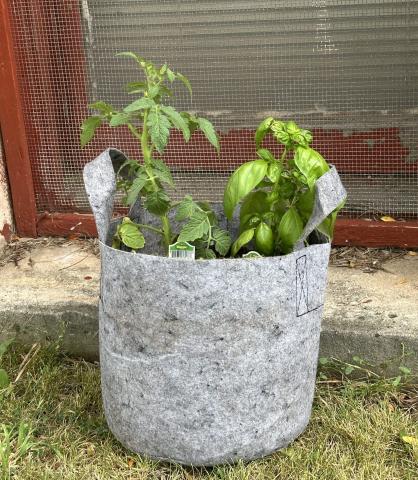
In the early days, the organization distributed garden kits that included fabric pots, soil, and seeds that teachers could order and send home to students. The design was inspired in part by small-space growing methods used around the world, where individuals grow in anything and everything, including used coffee bags. After just one season, participants reported spending more time outside, eating more fresh food, moving their bodies more, and connecting more with family members. That feedback made it clear that even one plant could make a meaningful difference—and that people were eager for more. When students returned to the classroom 6 months later, teachers and families wanted to continue receiving the gardening kits.
One of the participating teachers illustrated how, "The students demonstrated environmental awareness by learning sustainability, composting, and climate impact. [They] demonstrated ownership by caring for living things consistently. [And they] demonstrated social-emotional learning by practicing teamwork and collaboration as they worked together to plant seeds in the grow kits."
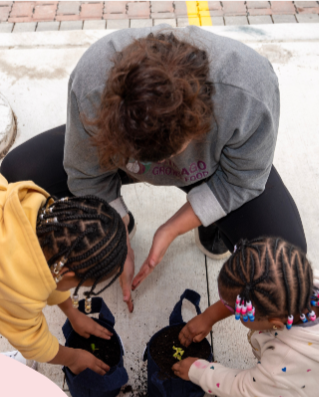
Today, Chicago Grows Food is serving 70 out of 77 Chicago neighborhoods; counts 250 community partners; and distributed 22,554 kits between 2020-2024.
The organization offers multiple entry points for new gardeners. Its beginner kit includes a fabric pot, soil or compost, seeds or a seedling, and educational support. The smallest version is especially well-suited for schools and community centers: it is compact, beginner-friendly, and accessible for children, older adults, and people with varying physical abilities. Additionally, the group strongly encourages container gardening, because many urban growing spaces face soil contamination. The fabric pots help by providing strong drainage and healthier growing conditions for plants like lettuce and herbs.
For participants ready to go further, Chicago Grows Food also creates customized home garden installations. Some start with six five-gallon pots; others expand to a dozen containers or larger setups, depending on whether they rent or own, how much sun their space gets, and whether they are gardening on a balcony or at ground level. The organization works with each household to recommend a setup that fits both the space and the gardener’s experience level, making it easier for people to imagine food growing where they live.
Just as important as the materials is the growing guidance. One of the core practices Chicago Grows Food encourages is succession planting, with three seasonal seedling deliveries for spring, summer, and fall crops. The approach helps gardeners see that Chicago’s growing season can be longer and more productive than many people assume. By learning what thrives in each season and adapting accordingly, participants can harvest more food over the course of the year and build confidence as growers.
They also encourage participants to avoid synthetic pesticides and store-bought fertilizers, hosting various workshops on pests and other animals in the garden. They emphasize creating an ecosystem. For example, what can be planted to attract birds that will then eat the pesky insects? Participating gardeners are also taught about the importance of compost and building healthy soils.
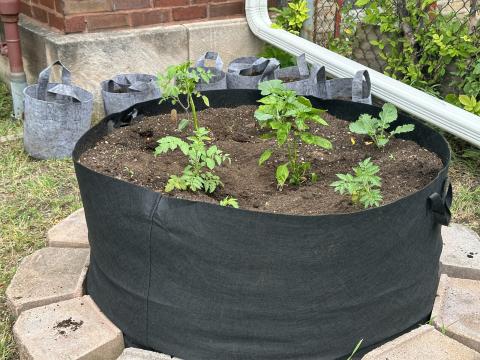
The program offers so much more beyond the practicality of growing food. One participant shared, “It is happiness. It is pride. It is therapy. The satisfaction of achieving the harvest—that’s what this program gives us.”
At its heart, Chicago Grows Food is about expanding access—to fresh food, to practical skills, and to the experience of growing something yourself. What began as an emergency response has become an invitation: In whatever space people have, and at whatever level they begin, they deserve the chance to grow nutritious food for themselves and feel the possibility that comes with it.
|
|
Adasina Social Capital |
**********************************************************************************
Green America is an equal opportunity employer. All qualified applicants will receive consideration for employment without discrimination regarding: actual or perceived race, color, religion, national origin, sex (including pregnancy, childbirth, related medical conditions, breastfeeding, or reproductive health disorders), age (18 years of age or older), marital status (including domestic partnership and parenthood), personal appearance, sexual orientation, gender identity or expression, family responsibilities, genetic information, disability, matriculation, political affiliation, citizenship status, credit information or any other characteristic protected by federal, state or local laws. Harassment on the basis of a protected characteristic is included as a form of discrimination and is strictly prohibited.
|
|
Telecoms Win June 2026 |
|
|
Stop Toxic GMO Wheat Before It Reaches Our Food |
A newly approved GMO wheat is engineered to withstand a herbicide linked to reproductive harm and birth defects. Tell food companies to reject it before it enters our food supply.
|
|
Costco Credit Cards Are Fueling Climate Destruction |
Companies like Costco and LL Bean say they care about sustainability – they need to issue their branded credit cards through a bank that does not finance fossil fuel expansion.
|
|
Dear Kroger, Ditch the Climate Pollutants In Your Freezers |
Kroger has a major problem with super-polluting, greenhouse gases called hydrofluorocarbons (HFCs). These HFCs have thousands of times the warming capacity of carbon dioxide, and supermarkets are leaking millions of tons of them every year. Grocery stores are major HFC emitters and need to act fast to eliminate HFCs.
|
|
Bonds and Notes |
What is a bond?
A bond is a debt security, meaning that when you buy a bond, you are essentially making a loan. Unlike stock, which gives you a piece of ownership of a company, with bonds you become a lender to the bond issuer.
Bonds are issued by several entities – such as companies, banks, cities, states, and countries -- to finance projects and operations. The issuer pays interest to the bondholder at certain intervals, usually twice a year. Bonds come with an end date, called maturity, at which the principal will be repaid along with any outstanding interest.
Bonds are considered lower risk than stocks because they pay a fixed interest rate throughout the life of the bond. Bond interest is typically lower than the bondholder could make from stocks, but it’s also guaranteed, while stocks can and do lose money.
Bond categories
Common types of bonds include:
Corporate Bonds
Corporations issue bonds to raise money for capital expenditures, operations, and acquisitions. Corporations in all industries issue bonds. A corporate bond is essentially an IOU from the company to the bondholder. Although corporate bonds do not give you a piece of ownership in the corporation the way a stock does, as lenders, bondholders are paid before stockholders if the company goes bankrupt.
Municipal Bonds
Municipal bonds, also called munis, are issued by sub-national governments such as cities, counties, and states, to fund public works such as parks, libraries, or highways. Interest earned on municipal bonds is often tax free.
Types of muni bonds, include:
- General obligation bonds. Bondholders are paid from the local government’s general revenue stream, often generated by property taxes. The local government can raise taxes if needed to pay back the bondholders.
- Revenue bonds. Bondholders are paid by the local government from revenue generated by a specific project, such as a toll road or lease fees.
- Conduit bonds. Bondholders are paid by the local government, which in turn is paid by a private entity such as a nonprofit college or hospital. If the private entity fails to pay, the local government usually does not have to pay the bondholder.
Treasury Securities
Treasury securities are issued by the Department of the Treasury on behalf of the U.S. government. Backed by the “full faith and credit” of the federal government, they have historically been considered among the safest investments available.
There are three types of treasury securities, depending on length of maturity:
- Treasury Bills (T-bills), with maturity terms of a few days to one year.
- Treasury Notes (T-notes), with maturity terms of two, three, five, seven or 10 years.
- Treasury Bonds, with maturity terms of 10 to 30 years.
Treasury securities can be purchased directly from the U.S. Treasury’s website, but only on dates that particular security is on sale, according to the auction calendar. Interest income from Treasury securities is taxable on the federal level, but not the state or local level.
Green Bonds
Green bonds are bonds that finance projects with a positive environmental impact, such as renewable energy, energy efficiency, clean public transit, green buildings, pollution control, and green spaces. The World Bank issued the first green bond in 2008. Since they their popularity has taken off, with over $1 trillion in green bonds expected in 2024.
An example of a green bond is the Connecticut Green Bank’s Green Liberty Bonds and Notes. While Green Liberty Bonds must be purchased through a participating brokerage firm, the bank has held 13 offerings of Green Liberty Notes, which can be purchased for as little as $100 – essentially crowdfunding clean energy and energy efficiency projects.
Other Bonds
Other types of bonds include
- U.S. Savings Bonds, issued by the Treasury Department.
- Agency bonds, issued by federal agencies other than the U.S. Treasury, such as the Federal Housing Administration or Small Business Administration.
Buying and selling bonds
Before they mature, some bonds can be bought and sold on the market like stocks. U.S. Treasury securities are among the most commonly traded bonds,
When bonds are bought or sold, the principal amount and interest paid on the bond remains the same, but the sale price of the bond can fluctuate. That’s because interest rates fluctuate.
If you are selling a bond that was issued with lower interest than the current interest rate, it is less attractive than a new bond, so is usually sold for a lower price. Conversely, if the interest rate on the bond is higher than the current rate, it can sell for a higher price.
Most Americans invest in the market through their workplace retirement plan or a college savings plan. Learn how these plans work next.
Green America is not an investment adviser, nor do we provide financial planning, legal, or tax advice. Nothing in our communications or materials shall constitute or be construed as an offering of financial instruments or as investment advice or investment recommendations.
|
|
Business Success and Sound Ethics Aren’t Mutually Exclusive |
It’s expensive to run a business. But when companies like Walmart or Amazon cut corners on wages and benefits, they hurt the most important people: their own employees. In 1965, the average CEO-to-employee compensation ratio was 21:1. Last year, that ratio skyrocketed to 281:1.
The small businesses of the Green Business Network®, however, actively work against this trend. Though small businesses face steeper hurdles than corporations or chains to keep the lights on, GBN members understand there is no compromising just labor practices. While some businesses like Target quickly buckled under pressure on DEI, or actively union-bust like Starbucks, a truly ethical business does not give up its morals just to stay open.
Profit Doesn’t Require Exploitation
The Ukranian- and family-owned woodcrafting business AltaadiR doesn’t mince words. “As craftspeople, we do not separate profitability from ethical responsibility. Our pricing is based on the real cost of materials, time, and skilled manual labor—not on mass-production standards or the pressure to compete with low-cost imports,” says co-owners Tetiana and Oleksii Riabchenko.
Kim Isley, founder of the tree gifting business Trees for a Change agrees that “employee pay is not one of the places to get creative.”
The national numbers underscore Isley’s claim. To live in West Virginia, ranked in a 2025 SmartAsset study as the state with the lowest necessary income, a person would have to make a minimum of $38.86/hour to attain a livable wage—over five times as much as the federal minimum wage of $7.25/hour, which was last raised 17 years ago, in 2009.
“If you can’t find a way to make a bit of profit without exploiting the labor of others, you’re doing something wrong,” Isley declares.
Listening to Your Employees
Employee wellbeing doesn’t just depend on wages but in the U.S., work benefits are treated as an optional luxury. Among 41 countries studied by the Pew Research Center in 2019, the U.S. is alone in offering zero hours of mandatory parental leave. Similarly, healthcare is often tied to employment in the U.S., rather than seen as a basic right.
Julie Lineberger of the accessible modular housing manufacturer WheelPad and Co-Board Chair of Green America says the company starts from “the assumption that good wages and benefits are essential.”
“We ask how to build a business that can support these commitments from the beginning,” she explains.
What this looks like in practice can vary across organizations. At Nomadics Tipi Makers, the company’s commitment to supporting workers includes encouraging employees to advocate for themselves and “a healthy work-life balance” and responding respectfully.
“If an employee needs time off, flexibility due to personal issues, or needs extra work to make ends meet, we always listen,” says owner Nicole Loffler of Nomadics.
Humanity Must Come First
“Just labor practices start with recognizing that humans are living beings with dynamic needs,” says Stefan Schachter, co-founder of ECOTEAS. “We structure work in such a way to try to avoid injury and burnout.”
For Damian Jones at Aid Through Trade, the success of a business and the artisans it works with are one and the same. As a fair-trade business, like many Green Business Network® members, Aid Through Trade also must adhere to rigorous standards.
“When you know personally the hands that make your jewelry, just labor practices aren’t an abstract
concept but a visible reality that calls us to operate at a higher level,” Jones says.
Integrity, Not Compromise
Some business owners recognize that committing to their morals sometimes means having to say no or “de-prioritizing something else,” as Robert Behnke of the clothing company Fair Indigo{GBN} puts it.
“In our case, it’s partially the overhead that comes with locating your office in a very desirable zip code with very desirable office space,” Behnke says.
Eliza Loring, owner of sustainable fashion brand OOLOOP, had to turn down working with some designers for the sake of her ethics. And despite economic pressures like inflation and tariffs that have caused some brands to axe their sustainable fibers, Loring stayed strong.
“By refusing to work with certain designers because their materials were not good enough, we found they came back and added more organics and recycled fibers to their collections,” she says.
If these small businesses can afford just labor practices, there are no excuses for the biggest corporations. Vote with your dollar by supporting the small businesses of the Green Business Network® and holding corporate bigshots accountable.
|
|
We Shouldn’t Pay the Price for Big Beer’s Use of Pesticides |
Of all the alcoholic drinks in the United States, beer reigns supreme. The Pew Research Center notes that beer made up 42.3% of all consumed alcohol in 2021, compared to wine at 17.4% and spirits at 40.3%. According to the Beer Institute’s 2025 Beer Serves America study, the beer industry contributes more than $471 billion to the national economy.
In 2024, the U.S. produced 160 million barrels of beer—that’s 20 gallons per adult in the country. While craft brewers often work with organic produced grains, big beer corporations often use wheat and hops treated with pesticides toxic to human health, pollinators, and the safety of our water and food supplies.
“People are often passionate about the type of beer they drink and have major sway with beer producers,” comments Emma Kriss, Food Campaigns Manager at Green America. “If the beer industry can get pesticides out of its products and implement organic farming practices in its supply chain, then they would be an example to other food companies that they can do the same.”
The Way We Make Beer Is Bad
It starts with how we grow crops like barley and hops. Instead of practicing safe and healthy agricultural practices like regenerative or organic, most beer companies in the U.S. prioritize profit and efficiency over a healthy planet and people.
Spraying pesticides on crops to control pests may increase food production, but their use comes at a cost. Pesticides are known to cause acute health problems like blurred vision, difficulty breathing, seizures, and more, as well as chronic risks such as cancer, reproductive harm, and disruptions to the endocrine system. The resulting harm spreads throughout the supply chain, from the farm workers who grow and harvest the grains to the people who drink commercial brews.
“Barley, for example, can be exposed to up to seven pesticides, including the neurotoxin dichlorvos,” explains Kriss. Dichlorvos is classified as “possibly” and “probably” carcinogenic to humans, according to the International Agency for Research on Cancer and EPA.
The known carcinogenic herbicide glyphosate was found in nearly every major U.S. beer brand in a 2019 report from the Public Interest Research Group (PIRG) finding several major brands contained
glyphosate levels above 25 ppb.
The Beer Institute, which represents the $431 billion beer industry, tried to dismiss these findings as trivial noting these levels are below the EPA’s “tolerance” levels for glyphosate—in other words, below the maximum legally permissible amount of pesticide residue allowed. However, as PIRG notes, studies have shown as little as 0.1ppb of glyphosate, or .0001ppm, has the potential to destroy beneficial gut bacteria and increase breast cancer cells. And the landmark study that supposedly demonstrated the safety of glyphosate, “Safety Evaluation and Risk Assessment of the Herbicide Roundup and Its Active Ingredient, Glyphosate, for Humans,” released in 2000, was formally retracted in December 2025 by the journal Regulatory Toxicology and Pharmacology, because of improprieties, including the influence of Monsanto, maker of glyphosate containing RoundUp, on the results. Green America is currently working with partners to update this testing and will share the results later this year.
“Farmers and farm workers are [exposed] to these harmful pesticides, increasing their risk of the known health concerns,” Kriss warns. She also notes that when pesticides seep into the soil, they can put future nutritious crops at risk.
Can I Still Drink Beer?
Despite the prevalence of pesticides in beer production, there are ways beer-lovers can keep enjoying their hoppy ales and stouts and all the rest.
Kriss suggests opting for organic beers at retail stores or restaurants but warns that even organic foods can carry trace amounts of pesticides through drift. Even organic-labeled compost and fertilizers can still turn out to be contaminated by pesticides because the source material may contain industrial run-off. If a local brewery you love doesn’t have organic beers, tell them how important that is, and it will keep dollars local.
Enjoy the tailgates and parties, the pubs and camping trips, and some good beer, by drinking organic and
advocating for organic and safe agricultural practices from your local farmers and businesses.
|
|
Meet Green America's Clean Electronics Production Network |
Electronic devices are so deeply embedded in our everyday lives that it is nearly impossible to go without them. They make our commutes more enjoyable, our jobs more efficient, and our communication practically instantaneous.
Every electronic device has an “ingredient list” of materials it is made from—aluminum, glass, copper wires, rubber buttons—that are generally considered safe for consumers.
But while device users may never encounter them, the solvents, cleaners, and degreasers used to manufacture our electronics can be hazardous to human health—and the people who make your electronics may be exposed to them every day at work.
Countries have made great strides in establishing legislation that protects buyers from toxins in electronics—but for the people making electronics, chemical protection standards are still lagging. Electronic manufacturing occurs all over the world, with approximately 78% of workers in Asia and the Pacific. According to a report from the International Labour Organization, there were over 17 million people employed worldwide in the manufacture and assembly of electronics hardware in 2023.
Protecting these workers from toxic chemicals is what Green America’s Clean Electronics Production Network seeks to address.
Meet the Clean Electronics Production Network
The Clean Electronics Production Network (CEPN) launched in 2016 as part of Green America’s work to holistically protect people and the planet, all the way up through the supply chain. CEPN unites diverse stakeholders and focuses specifically on reducing toxic chemicals in electronics manufacturing. CEPN comprises more than 20 member organizations including electronics brands and suppliers, environmental organizations, labor and worker representatives, ecolabels, academics, and public servants. Its core mission is to move toward zero exposure of workers to the toxic chemicals present in the assembly, production, and manufacturing of the many electronic devices we use today.
Several decades ago, metals that were extremely harmful to human health were present in electronics. Lead and mercury are two examples, both of which cause harm to the nervous system. However, these metals are largely absent from the devices we use today thanks to strict regulations from governments around the world. These wins were made possible by people and organizations around the world.
But there are toxic substances used in the manufacturing process itself, such as solvents, degreasers, and cleaners, which are often not included in the “ingredient list” of a device because they are absent by the time the device makes it into the hands of users. For example, chlorinated solvents are suspected carcinogens; methanol can be easily absorbed through skin and may cause blindness and kidney failure; and 2-ethoxyetheyl acetate can cause reproductive harm. Some of the workers who build electronics every day may be exposed to these substances on a regular basis.
Pamela Brody-Heine has been the Senior Director of CEPN for six years, helping to move the needle towards improved worker chemical safety in electronics manufacturing. She works with Senior Program Manager Mary Swanson, Program Manager Ginger Leib, and Senior Fellows Steve Brown and Michelle Turner. Together, they collaborate with major players in the electronics industry and other stakeholders towards zero exposure for workers.
“Well-known brands have come to the table to work with the network—Apple, Dell, HP, and Fairphone—that’s a win,” says Swanson. Getting these large corporations to sign onto Towards Zero Exposure, CEPN’s flagship program, has set a bold standard in shaping the culture around worker chemical safety. That is because of the influence the Signatories have on the industry.
“If you look at most of the big brands, they have supplier companies that do most of the manufacturing,” says Swanson. The Towards Zero Exposure program requires each Signatory to work with at least 15 production facilities, and some work with many more, to eliminate specific toxic chemicals from the manufacturing process. Altogether, “more than 200 supplier companies involved have been positively impacted by the Signatories so far,” says Swanson.
A Decade of Industry Change and A Future of Growth
CEPN’s newest project takes on chemical safety training. For the last two years, CEPN and partners have been drafting comprehensive training modules for workers and managers so that they are more informed on chemical safety to protect their own health and the health of their teams.
“This gives access to training resources to suppliers that are [part of earlier stages] in the supply chain that might not have resources on chemical safety training available,” says Leib.
The Chemical Safety Training Program is currently offered in three formats: in-person, live webinar, and interactive digital training formats. It includes topics such as workers’ right to know about chemical hazards and risks, hazard communication, control approaches, emergency response, and methods to promote worker engagement. The trainings are currently offered in six languages (English, Vietnamese, Malay, Thai, Tagalog, and simplified Chinese) with the intent to expand the range of available translations.
Leib says that beta test feedback of the Chemical Safety Training program, which took place from November 2024 to January 2025, was extremely positive. A year later, CEPN is excited to grow a
network of qualified trainers that can continue to deliver the Chemical Safety Training modules.
To further incentivize facilities to go through the Chemical Safety Training modules with their workers, CEPN has included a Supplier Recognition component. After a certain percentage of workers and managers have completed the training, the facility can be recognized on CEPN’s official list. So far, facilities in Vietnam and Malaysia that took part in the beta test and wish to be recognized are visible on the CEPN website.
A Green Economy for All People
Born from Green America’s mission to protect all people and the planet, CEPN has made great progress in electronics manufacturing safety for workers. As of February 2026, CEPN’s Towards Zero Exposure and other programs have improved worker chemical safety and extended to facilities in at least 30 countries and 800 facilities around the world. When hazardous chemicals are eliminated across the supply chain, it protects workers, their communities, and the environment from those chemicals.
Additionally, the positive beta test feedback demonstrates that CEPN’s chemical safety training addresses a workplace gap regarding education for electronics manufacturing workers. Leib states that CEPN will make more translations available as the program expands to make training even more accessible.
The Towards Zero Exposure program will continue to work with Signatories to eliminate priority chemicals from the manufacturing process. This work is as important as ever in a global economy that is increasingly dependent on electronics, especially when political administrations are slow to enact federal protections for workers. With its multi-stakeholder format—engaging workers, multi-national companies, and the global supply chain—CEPN can improve the lives of workers even in the absence of governments passing worker health and safety legislation.
In a globalized world, CEPN’s work is crucial to making workplaces safer and healthier for all people and the planet.
The Clean Electronics Production Network is part of Green America’s Center for Sustainability Solutions. The Center brings together diverse groups of stakeholders to solve sustainability problems that no individual business, organization, or leader can solve alone.
|
|
Leather Created by Child Labor Isn't a Luxury |
Leather is associated with luxury and durability, and it’s everywhere. It’s in our sneakers and jackets, our handbags and belts, and our furniture and car seats. As I write this piece, I’m wearing two pieces of clothing made from leather. Many global actors rely on the complex supply chain of animal hides to create leather-based consumer goods and unfortunately, there are many opportunities for environmental and social harm along the way.
Green America recently worked with a researcher in Bangladesh, A.K.M. Maksud, who has long been an advocate for labor reforms, to examine the leather supply chain in that country. He found children as young as eight working in leather processing facilities, exposed to harsh chemicals, with no opportunity to attend school.
“Hidden Hands: Child Labor in Bangladesh’s Leather Industry,” is our report based on his research, set to launch publicly this spring. It documents the experience of four young leather workers who’ve labored in tanneries since childhood. One of the young men interviewed, Tariq, shared experiences that illustrate the harsh conditions in leather tanneries.
Tariq was eight years old when he started working in a tannery in Hazaribagh, Bangladesh, one of the world’s most notorious leather-processing hubs. He was forced to leave school a few days into first grade to help support his family.

In the tannery, Tariq’s small hands first trimmed scraps of raw hide, scraped off meat and fat, and nailed hides onto wooden boards to dry. As he grew older, he began carrying buckets of chemicals like lime, sulphate, chromium, and formic acid. He learned how to mix and handle these toxic substances without gloves, masks, or any protective gear. Spills burned his skin and acid splashes left blisters and scars. Fumes stung his eyes and made him cough, but there was no way to avoid them. When he was fifteen, a spinning drum handle smashed his hand so badly [that] the bone broke through the skin. He missed two months of work, then went back because he had no other way to survive.

Today, at twenty, Tariq still works as a chemical mixer and dye man. The same chemicals he handled as a child still touch his bare skin every day. His hands and feet remain scarred and cracked from constant contact with acid and tanning waste. With no chance to return to school, he sees no path out of the tannery except for more years of the same dangerous work.
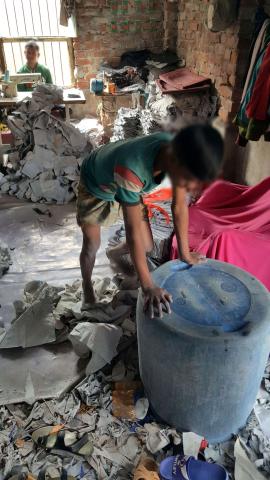 Children taking part in leather dyeing in the Hazaribagh area of Dhaka, Bangladesh. Photo credit: A. K. M. Maksud. Children taking part in leather dyeing in the Hazaribagh area of Dhaka, Bangladesh. Photo credit: A. K. M. Maksud.
Leather and footwear are the second largest export industry in Bangladesh, and more than one out of every ten Bangladeshis work in the leather sector. The U.S. imports $8.7 billion of leather goods from Bangladesh each year. It’s essential that companies and consumers take action to ensure ethical leather production in Bangladesh and around the world.
Our report documents steps companies should take to ensure suppliers are protecting workers and prohibiting child labor, and how to give workers a central role in monitoring and enforcing labor rights agreements. Companies should also advocate for systemic reforms of the industry and develop responsible alternatives to leather. Green America is sharing these recommendations with major leather importing companies and asking them to work with us to implement these solutions.
As consumers, we can promote more responsible practices as well. We can refurbish current leather goods and buy used or recycled leather when possible. We can also support responsible alternatives to animal leather, such as recycled rubber and plant-based leather. People for the Ethical Treatment of Animals (PETA) has a guide to plant-based leather companies on its website: “From Apples to Kombucha Tea: See the Ingenious Way Designers Are Making Vegan Leather.”
When buying new leather, look for vegetable-tanned leather that avoids the use of toxic chemicals like chromium. For example, Green Business Network® Member OOLOOP offers products made from upcycled leather scraps, free-range grass-fed animals, and/or vegetable-tanned leathers.
Together, consumers and businesses can support the call of workers and communities for greater responsibility in leather production in Bangladesh. Stay tuned for more ways to take action from Green America in the coming year.
|
|
Fair Labor Matters in a Green Economy |
A green economy doesn’t treat workers’ well-being and a healthy environment as acceptable losses in doing business. The bottom line isn’t ever-increasing individual profit—it’s the prosperity that comes from taking care of each other for a brighter, shared future. While traditional business outlooks may favor short-term profit at any expense, the fact is that the long-term success of any company requires safeguarding the welfare of workers, consumers, our environment, and our communities.
The top priorities of a green economy reflect how protecting both fair labor policies and environmentally sustainable practices are essential to creating a solid foundation that will serve any business well into its future:
Fair Pay and Pay Transparency are essential to a fair, green market. Economic data has long shown that a thriving middle class is the hallmark of a prosperous society. Therefore, paying workers fairly—whether it’s a livable wage, fair pay, or universal basic income—are crucial to ensuring people have enough money for their needs and to put back into the economy for their wants. Pay transparency is a key part of fair pay as well, breaking down socio-economic barriers and clarifying the monetary value of jobs. It also helps to address issues of wage theft and failure to pay overtime. For too many workers worldwide, unfair wages fail to cover even basic costs of living, and the ability to access essential needs such as food, clean water, shelter, clothing, and education remains precarious.
Health and Safety in the Workplace is fundamental to a strong workforce. Sufficient medical care for people and their families means workers get the care they need when they’re sick. It also means workplaces put worker well-being and safety first, ensuring that workers are: given safe and secure channels to report workplace violations; educated in safety and hazard prevention; and guaranteed just compensation for injuries and other harms. It’s especially critical to ensure workers are of legal age—many workplace accidents occur with underage workers.
Anti-Discrimination and Equity Policies in workplaces ensure that every person has the opportunity and resources to achieve their career goals, regardless of sex, gender identity, race, ethnicity, religious affiliation, nationality, creed, disability, age, or political opinion. Right to Organize in the workplace ensures that workers can speak up collectively to call out harms at work and choose to join a union if they wish. Worker agency and safety to raise major issues is necessary to ensure fair pay and safe workplaces.
Life/Work Balance provides people with enough time to recharge from work. People need to rest, play, provide caregiving, and manage obligations outside of work. We work for a living, but we don’t live for work. Time outside of work means we can spend our paychecks on goods, services, and experiences that keep the green economy running.
Environmental Sustainability creates an economic foundation that can take us into a prosperous and vibrant future. Instead of expanding industries such as chemical manufacturing or battery recycling that contaminate our water and poison the air, we must adopt policies and practices that seek to waste as little as possible and create little-to-no harm for our environment, our communities, and the workers we depend on. We can build innovative and profitable businesses that also ensure the resources we need are around for ourselves and future generations.
A green economy doesn’t have to be aspirational—there are businesses thriving right now that follow these principles and contribute to the health and vibrancy of their communities. Despite the many corporations that insist we accept greed and injustice as the price of doing business, labor protections, sustainable supply chains, and healthy work/life balances aren’t in opposition to profits and success; they’re vital building blocks in creating a robust economic system that’s accessible and equitable for everyone. And we can still insist—through how we spend our money, who we choose to do business with, and using our collective voices for change—on corporate policies and practices that allow a green economy to thrive for the good of us all and our planet.
|
|
There is no green economy without protection for workers |
No economy can exist for long without a healthy workforce. However, too many corporations
continue to chase ever-increasing profit margins at the expense of our planet and the people whose labor creates those profits in the first place. And it is corporations, not workers nor their communities, that are often protected by state and federal policies.
According to the Economic Policy Institute, the number of states blocking labor protection laws has been rising since 2013. Currently, 44 out of 50 states have preemption laws that target worker rights, which means that even if cities, counties, and other local governments pass ordinances to benefit workers, state legislatures can still render them void. At the federal level, the administration has directed the Environmental Protection Agency (EPA) to stop factoring in the cost to human lives when deciding whether to set new limits on the amount of ozone and fine particulate matter industries spew into our environment—the only cost that now matters is corporations’ bottom lines.
Industries can keep insisting that contaminated soil and drinking water, an unstable climate, workers’ exposure to toxic chemicals, and child labor are unavoidable prices to pay when doing business, but Green Americans know we can and should do better than that. No profits are worth the price of people’s wellbeing and the health of our planet. It’s why readers like you have supported our campaigns to end child labor in our global supply chains and demand Big Beer stop using toxic pesticides that harm beer enthusiasts and the bees that pollinate our crops alike. It’s how Green America’s Center for Sustainability Solutions continues to build on its previous successes with our Clean Electronics Partner Network to protect the workers exposed to toxic solvents while they make the devices we depend on.
And we’re seeing more small businesses and green entrepreneurs prove that success doesn’t require exploiting workers. In fact, they embrace doing business in ways that value worker safety, prioritize ethical partners in their supply chain, and view a healthy planet as essential to good business.
But while we advocate for sustainable economic systems, the current administration’s policies continue to put workers and the communities that depend on them at the front lines of injustice. Nowhere is this more apparent than the ongoing months-long siege of immigrant and BIPOC communities nationwide by federal immigration raids. According to the Department of Homeland Security (DHS), as of January 2026, 73,000 people are being held by the federal government in immigration detention centers, a 75% increase over the past year; over two-thirds of those detained lack any criminal convictions and most have no violent offenses. According to the American Prospect, thirty-five people have died in ICE custody over the past year, making 2025 the deadliest year for the agency in two decades. As of February 17, over a dozen people have been shot by immigration officers since September, five of whom died: Isaias Sanchez Barboza, Silverio Villegas González, Renee Good, Keith Porter, and Alex Pretti.
Meanwhile, the U.S. Bureau of Labor Statistics noted that in 2023, foreign-born workers, including those who are undocumented, account for nearly 19% of the total U.S. labor force, from academia to the arts to engineering, as well as medical research, domestic assistance, and more. Over eight million un-
documented workers alone are employed in physical labor-heavy and often high-risk industries, including agriculture, service, manufacturing, and construction. People who come from the same communities that already suffer disproportionate harmful impacts from pollution, worsening climate disasters, and workplace discrimination now also face being torn away from their loved ones and disappeared into a massive system of forceable displacement and deportation, or worse.
As Green Americans, we recognize how these horrific abuses are part of larger systems that also excuse the exploitation of workers and the environment to enrich corporations that care for nothing beyond their profit margins. We must continue to act in solidarity with and demand justice for those from at-risk communities, whether they’re our loved ones, neighbors, coworkers, colleagues, or complete strangers. Not just because they contribute to our local and national economies, but also because it is the right and moral thing to do.
A green world can only exist if we stand up for each other.
|
|
Newsweek |
|
|
NEW REPORT DOCUMENTS RAMPANT Child Labor, hazardous conditions and environmental destruction in Bangladesh’s Leather Industry |
24 Million Bangladeshi Workers Are Dependent on the Leather Sector, and Many Enter the Labor Force as Children; Life Expectancy for Tannery Workers is Only 40-50 Years Due to Toxic Chemical Exposure.
WASHINGTON, DC – MAY 28, 2026 – Green America released a new report on the environmental and health impacts of the leather industry in Bangladesh, and particularly the exposure of child laborers to harsh labor conditions and toxic chemicals. The new report includes the stories of four children who worked in the sector and worked with highly toxic chemicals without adequate protection.
Todd Larsen, Executive Co-Director at Green America, said: “Leather comes at a devastating cost, with child laborers risking their lives daily to produce goods sold in wealthier countries. Consumer awareness is spreading and sustainable alternatives are emerging, but corporations need to step up to address this problem in their supply chains and products.”
“Everything of my work is risky. I have to handle dangerous acids. Electric wires are not well managed… we often get shocked,” said Rafi, who was 10 years old when he left home in Tangail to work near the Hemayetpur Tannery Complex.
Zayan, who was 14 when he started working at another tannery in Hemayetpur, said he works 14 to 16 hours every day with no holidays. The harsh work environment and toxic chemicals wear down his young body, and the average life expectancy for tannery workers like him is only 40 to 50 years.
The leather sector is highly profitable, with the global leather goods market reaching $242.85 billion in 2022 and projected to surpass $400 billion by 2030. But in tanneries and workshops, unsafe machinery and hazardous materials cause workers to suffer chemical burns, respiratory illnesses, chronic skin disease, and frequent injuries. The leather production supply chain also relies on more than 200 toxic chemicals, exposing workers of all ages to serious health risks and harming local communities with chemical run-off.
With a population of more than 170 million people, roughly 14% of Bangladesh’s workforce depends on jobs linked to the leather industry, from large tanneries to informal workshops, and many of these workers enter the leather labor force as children.
According to the report findings:
- In Bangladesh’s informal tannery sector, child labor is often an open secret. With weak labor inspections and little fear of penalties, employers routinely hire minors to perform the most dangerous jobs.
- Bangladesh has some of the most hazardous tanning and dyeing operations in the world. Much of the semi-finished leather processed there is then shipped to China for further manufacturing into consumer goods destined for wealthy countries.
- Leather tanning and processing in Bangladesh exposes workers to highly toxic chemicals without adequate protection. Workers routinely handle substances such as hexavalent chromium, formaldehyde, arsenic, sulfides, and banned azo dyes—many of which are classified as carcinogens or highly hazardous chemicals by international health agencies (Cividep, 2023).
- Safety regulations are frequently ignored or unenforced, leaving workers vulnerable to acute injuries such as acid burns, chemical splashes, and respiratory distress. Moreover, the workplace environment is physically taxing: nearly 80% of workers report exposure to harmful noise levels, and over 70% labor in sweltering heat and humidity without adequate ventilation (Cividep, 2023).
- Chronic exposure to these chemicals causes a broad spectrum of severe health problems, including chronic skin conditions like dermatitis, respiratory diseases such as bronchitis and asthma, neurological damage, and several forms of cancer, particularly lung and bladder cancer. It also contributes to significant mental health issues.
- These conditions are compounded by low wages, with laborers, including child laborers earning irregular, informal, or seasonal pay.
- A key factor enabling these conditions is the leather industry’s low transparency. A 2024 study found that only 17 out of 100 major leather brands publicly disclose suppliers beyond their top-tier factories (Together for Decent Leather). Certification programs like the Leather Working Group (LWG) focus primarily on water and chemical management, often overlooking critical labor rights and worker protections (SOMO, 2022). This loophole-filled system allows multinational brands to continue sourcing from factories and tanneries with documented abuses while marketing themselves as ethically responsible to consumers in the Global North.
- The leather industry creates significant environmental impacts as well.
- Bangladesh’s tanning sector produces substantial emissions—an estimated 65 to 110 kg CO₂ per square meter of leather, especially under chromium tanning (Research Gate).
- Tanneries discharge heavy metals like hexavalent chromium that are absorbed into crops and fish, leading to bioaccumulation in the food chain and elevated cancer, liver, and kidney disease rates in nearby populations (Financial Express).
To address child labor and other abuses documented in the report, corporations should adopt a strong due diligence program, support worker-driven social responsibility programs, adopt supply chain transparency, extend protections throughout the supply chain, collaborate on systemic improvements, and invest in ethical and renewable material alternatives.
Consumers can also play a role in shifting the market to more responsible practices. Consumers actions include: Not buying new leather, purchasing vegetable-tanned leather with natural dyes, looking for ethical and renewable alternatives, and researching companies before purchasing.
###
ABOUT GREEN AMERICA
Green America is the nation’s leading green economy organization. Founded in 1982, Green America provides the economic strategies, organizing power and practical tools for businesses and individuals to solve today’s social and environmental problems. http://www.GreenAmerica.org
MEDIA CONTACT: Max Karlin for Green America, (703) 276-3255, or mkarlin@hastingsgroupmedia.com.
|
|
Hidden Hands: Child Labor in Bangladesh's Leather Industry |
The leather sector is highly profitable, with the global leather goods market reaching $242.85 billion in 2022 and projected to surpass $400 billion by 2030.
Leather production also subjects workers, communities, and the environment to multiple harms. The leather production supply chain relies on more than 200 toxic chemicals, exposing workers of all ages to serious health risks. In tanneries and workshops, both adults and children suffer chemical burns, respiratory illnesses, chronic skin disease, and frequent injuries from unsafe machinery and hazardous materials. Local communities also experience harms from chemical run-off.
Green America recently worked with a researcher in Bangladesh to document these impacts in that country, and in particular, the exposure of child laborers to harsh labor conditions, including toxic chemicals.
With a population of more than 170 million people, roughly 14 percent of Bangladesh’s workforce depends on jobs linked to the leather industry, from large tanneries to informal workshops, and many of these workers enter the leather labor force as children.
Detailing the experiences of children exposed to unsafe and exploitative labor conditions within the overall corporate, economic, and legal landscape in Bangladesh and Southeast Asia, we found:
- In Bangladesh’s informal tannery sector, child labor is often an open secret. With weak labor inspections and little fear of penalties, employers routinely hire minors to perform the most dangerous jobs.
- Bangladesh has some of the most hazardous tanning and dyeing operations in the world. Much of the semi-finished leather processed there is then shipped to China for further manufacturing into consumer goods destined for wealthy countries.
- Leather tanning and processing in Bangladesh exposes workers to highly toxic chemicals without adequate protection. Workers routinely handle substances such as hexavalent chromium, formaldehyde, arsenic, sulfides, and banned azo dyes—many of which are classified as carcinogens or highly hazardous chemicals by international health agencies (Cividep, 2023).
- Safety regulations are frequently ignored or unenforced, leaving workers vulnerable to acute injuries such as acid burns, chemical splashes, and respiratory distress. Moreover, the workplace environment is physically taxing: nearly 80% of workers report exposure to harmful noise levels, and over 70% labor in sweltering heat and humidity without adequate ventilation (Cividep, 2023).
- Chronic exposure to these chemicals causes a broad spectrum of severe health problems, including chronic skin conditions like dermatitis, respiratory diseases such as bronchitis and asthma, neurological damage, and several forms of cancer, particularly lung and bladder cancer. It also contributes to significant mental health issues.
- These conditions are compounded by low wages, with laborers, including child laborers earning irregular, informal, or seasonal pay.
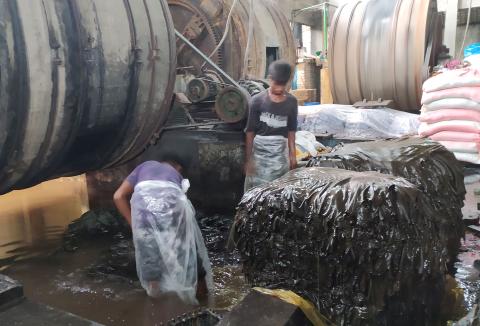
- A key factor enabling these conditions is the leather industry’s low transparency. A 2024 study found that only 17 out of 100 major leather brands publicly disclose suppliers beyond their top-tier factories (Together for Decent Leather). Certification programs like the Leather Working Group (LWG) focus primarily on water and chemical management, often overlooking critical labor rights and worker protections (SOMO, 2022). This loophole-filled system allows multinational brands to continue sourcing from factories and tanneries with documented abuses while marketing themselves as ethically responsible to consumers in the Global North.
- The leather industry creates significant environmental impacts as well.
- Bangladesh’s tanning sector produces substantial emissions—an estimated 65 to 110 kg CO₂ per square meter of leather, especially under chromium tanning (Research Gate).
- Tanneries discharge heavy metals like hexavalent chromium that are absorbed into crops and fish, leading to bioaccumulation in the food chain and elevated cancer, liver, and kidney disease rates in nearby populations (Financial Express).
Corporate and Consumer Actions
To address child labor and other abuses documented in the report, corporations should take the following actions:
- Adopt a strong due diligence program to prevent young workers from being employed in hazardous conditions and immediately correct the situation if a violation is found. Due diligence processes must go beyond conventional social compliance auditing and include: effective grievance mechanisms, support for rights-training programs, and incentives for good performance by suppliers.
- Support worker-driven social responsibility programs. Worker-driven social responsibility is a “bottom up” approach that can achieve superior results by embedding enforceable labor-rights agreements into companies’ contracts and giving workers a central role in monitoring and enforcement of these agreements.
- Adopt supply chain transparency. One of the most important steps companies can take is to thoroughly map the networks of suppliers involved in their operations and disclose these connections.
- Extend Protections throughout the supply chain. Buyers must extend due diligence and the accountability mechanisms of worker-driven sustainability efforts to suppliers and producers of inputs at deeper tiers of their supply chains.
- Collaborate on systemic improvements. Buyers should conduct risk assessments to identify the biggest systemic problems in their supply chains and use the results to prioritize investment into solutions for systemic issues.
- Invest in ethical and renewable material alternatives. Leather alternatives crafted from agricultural waste, plant fibers, and other renewable materials offer a promising path for companies to avoid the worst problems of the conventional leather industry and invest in more sustainable and ethical solutions.
Consumers can also play a role in shifting the market to more responsible practices. Consumers actions include:
- Not buying new leather: Leather is a highly durable product, so consumers should look for used, recycled, or refurbished leather products where possible.
- If purchasing new leather products, look for vegetable-tanned leather with natural dyes.
- Looking for ethical, renewable alternatives: leather alternatives made from natural and renewable materials, such as those derived from plants, fungi, or microbial production, are increasingly available – but avoid fake leather made from petroleum products.
- Researching companies before purchasing: To learn more about a company’s practices, consider reviewing its publicly available materials, such as its corporate social responsibility report or website, checking for information about the company’s leather sourcing before reaching out to companies via letter, email, chat, or phone. If a company’s policies and practices are lacking, let them know via email, letter, or online chat, and tell them you are taking your business elsewhere and why.
|
|
Zuck |
|
|
Trump Targets Climate Rule on Refrigerants to Lower Grocery Bills |
As Americans continue to face high grocery bills, President Donald Trump said Friday he was rolling back environmental rules laid out by the Biden administration on chemicals used in refrigerators and air conditioners, saying this would cut costs.
The restrictions were, in fact, a result of a 2020 bipartisan law Trump signed that year aimed at so-called "super pollutants" because of their effects on climate change, but the president said the new limits had driven up business costs, impacting consumers.
Environmental Protection Agency (EPA) administrator Lee Zeldin said the HFC requirements, finalized in 2023, would be relaxed for grocery stores, AC companies, and semiconductor plants, potentially opening up $2.4 billion in savings.
|
|
META’s RUSH TO AI: Myth and Fact |
Meta claims to be building massive data centers across the country in a way that is sustainable and beneficial to communities.
The company spent over $6 million on ads trying to convince policymakers and the public that its data centers benefit communities, focused on a data center that it says is reviving Altoona, Iowa.
But the facts speak otherwise.
Meta’s All-Too-Real Impacts on the Ground
1. Meta’s Hyperion Data Center in Richland, Louisiana, is resulting in the fast-tracking of seven new gas power plants in addition to three gas plants that were already approved in 2025. This is despite extensive community pushbacks and a report from the Union of Concerned Scientists, documenting $90 billion in projected health and environmental damage from data center development in the state.
2. Meta’s data center in Newton County, Georgia, uses so much water that it’s causing local taps to run dry, and the county is estimated to run a water deficit by 2030.
3. Meta is proposing a 366 megawatt natural gas plant to run a data center in El Paso Texas despite local opposition.
And the reality in Altoona, Iowa, the town featured in Meta’s $6 million ad buy, is more complicated than the company lets on. Altoona is not the down-on-its-luck farm town the ad portrays, but a suburb of Des Moines. And a local opposition group, Warren County Citizen’s for Responsible Development, posted a lengthy takedown of Meta’s charm offensive with local leaders over water and energy use, and noise pollution.
The post concludes – “What’s being spun as “economic development” is actually a transfer of responsibility from corporations to citizens. What they built in Altoona should be a cautionary tale, not a blueprint.
Welcome to the Wild West of Data Infrastructure.”
Meta Needs to Change Course:
We are asking Meta to Build Smart, Build Clean
Data centers should go where they won’t harm communities. Many existing data centers create more noise, pollution, and congestion for underserved neighborhoods already dealing with unsafe and unhealthy conditions. Communities should be fully involved in the placement process to ensure everyone benefits from data center construction.
Put Efficiency First
Design AI programs to do more with less energy by taking advantage of the most efficient chips and processing.
Zero Fossil Fuels, No Nukes, Period
Every aspect of AI processing must run on clean energy—no coal, no gas, no nuclear. We don’t lack the right technology, and using renewable energy, with battery storage and Virtual Power Production (VPPs), can meet the needs for peak demand while lowering the cost of energy for your company and consumers.
Community Power
Listen to families living near proposed data centers and power sources and give them a say – some communities would agree to data centers and the revenues they can bring if those centers are designed to address noise and air pollution, utilize renewable energy, minimize water usage, and provide benefits to homeowners.
Transparency
Meta is building data centers without being fully transparent about issues like the electricity and water needed to run them. Your company has the opportunity to be a good neighbor and address the concerns of community members, starting with energy bills and water usage.
The investment Meta is making in developing data centers is in the billions. Meta needs to protect the communities it serves, and create benefit for the company, by ensuring it invests in powering AI with 100% renewable energy that creates community benefits.
|
|
BG Image Embed Form |
|
|
Big Wins on Renewable Energy: Amazon, AT&T, Verizon, T-Mobile, and Comcast |
Green America’s campaigns urging Amazon, telecoms, and Comcast to adopt 100% renewable energy have scored big wins.
Thanks to the support of hundreds of thousands of people taking action with us, joining extensive media and social media campaigns, we’ve pushed these enormous energy users to shift to solar, wind, and battery storage:
- Amazon: our campaign led Amazon to commit to 100% renewable energy and reach that goal in 2023*, up from 0% renewables in 2012.
- Telecom Sector: our campaign targeting the largest communications companies in the US achieved renewable commitments from all three major carriers – AT&T, Verizon, and T-Mobile (all of which had been using less than 2% renewables):
- Comcast: our campaign led to the communications giant (which also owns NBC Universal) to double its clean energy usage to 25% of its total energy.
These companies collectively use as much energy as an entire US state or small country (Amazon is using enough clean energy to power 12 million homes and the three telecoms use enough energy to power over 3 million homes), so when they purchased renewable energy they are making the largest corporate commitments to solar and wind in history.
And those purchases are helping drive down the cost of solar and wind power nationwide and around the world.
Green America is now building on this progress by urging the largest tech companies to power their AI data centers with 100% renewable energy.
*Note: after Amazon reached 100% renewable energy, it started building AI data centers, and like other tech giants – Google, Meta, and Microsoft – is now ramping up dirty energy sources again to power these massive data centers. Join us in pushing the tech sector to use renewable energy only.
|
|
Electronics Giants Take Action to Protect Workers from Toxic Chemicals |
Global electronics brands are making measurable progress to reduce workers’ exposure to hazardous chemicals across their supply chains—protecting over 100,000 workers worldwide.
Through the Toward Zero Exposure (TZE) program, launched by the Clean Electronics Production Network at Green America, major companies including Apple, Dell, HP, and Fairphone have committed to reducing exposure to some of the most hazardous chemicals used in electronics manufacturing.
What changed
- Over 800 manufacturing facilities across 29 countries have already eliminated or substituted the first round of priority hazardous chemicals with safer alternatives
- More than 200 supplier companies have improved chemical safety practices
- These changes are improving protections to well over 100,000 workers in electronics production
- Fairphone became the first company to fully eliminate a second round of priority chemicals at relevant facilities
Why this matters
Workers in electronics manufacturing are routinely exposed to toxic chemicals linked to serious health risks. Historically, companies relied on protective equipment or ventilation systems—but these approaches don’t eliminate the hazard itself.
TZE shifts the industry toward the most effective solution: removing hazardous chemicals entirely or replacing them with safer alternatives. This prevents exposure at every stage of the production process, rather than attempting to manage it after the fact.
Scaling industry-wide change
The program is now aligned with the Responsible Business Alliance’s Chemical Management Leadership Program, helping standardize best practices across the sector. Participating companies are also increasing transparency by sharing their Manufacturing Restricted Substances Lists (MRSLs), creating a more coordinated industry response.
The bigger picture
This is how systemic change happens: when major brands commit, entire supply chains follow. What began with a handful of companies is now influencing hundreds of suppliers and facilities globally—and setting a new baseline for worker safety in the electronics industry.
Green America’s Center for Sustainability Solutions helped bring together companies, labor advocates, and environmental experts to drive this progress—proving that collaboration can move whole industries toward safer, more responsible practices.
|
|
Rooted in practicality, victory gardens make a comeback in Atlanta and beyond |
The victory gardens of the World War I and II era were practical: grow food to sustain the health and well-being of the homefront while so much of the workforce was serving overseas and industry was focused on the war effort.
Now, a new generation of gardeners are embracing the victory garden concept and growing fruits and vegetables for very 21st century reasons.
|