
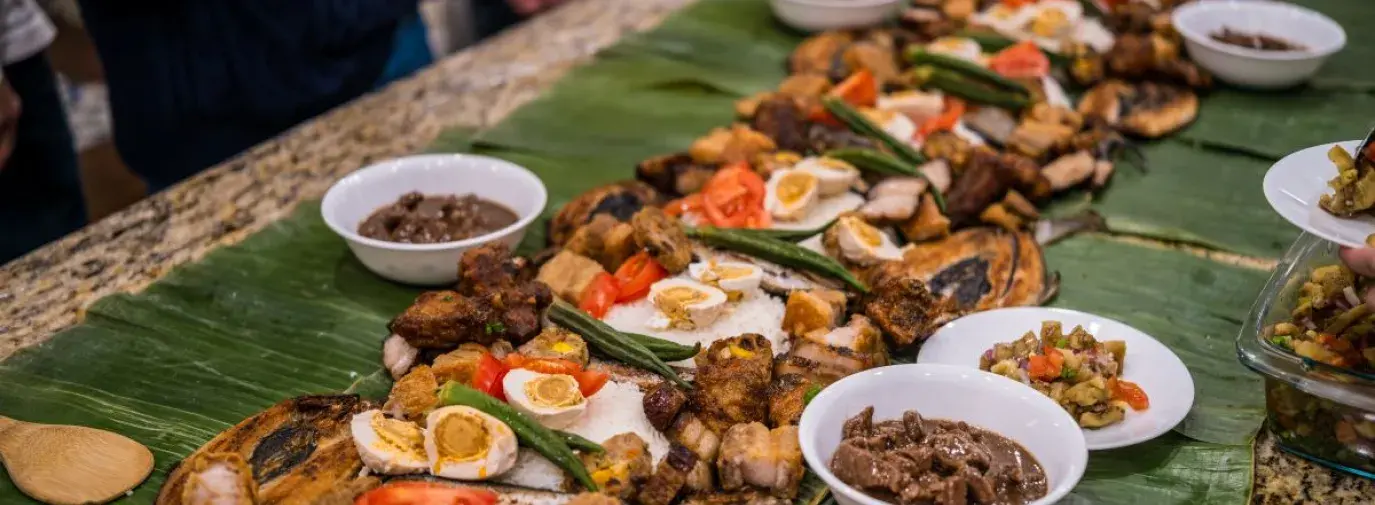
One of the things I love about living in Chicago is the abundance of fantastic food. We’re spoiled for choice when it comes to styles of cuisine, availability of fresh produce, and a variety of artisanal treats. My favorite neighborhood bakery even started selling traditionally-styled Filipino comfort food recently, which has inspired me to have food safe silicone and stainless steel takeout containers available when I’ve got a craving for tapsilog—tender jerky-style beef over garlic rice with a fried egg and fresh chopped cucumber and tomato—or pork adobo and lumpia.
Any source of motivation I can get is helpful because changing habits can be hard, and few things have become as habitual in American life as our acceptance of disposable plastic in, well, everything. And all that plastic continuing to build up in our environment comes at a price that corporations are happy to have us pay while they profit.
Whether it’s in the soil, water, or even our own bodies, microplastics and the “forever chemicals” leached by many plastics are now part of our planet’s endless cycles of renewal and decomposition. And that buildup is happening much faster than our ability to understand just how deeply microplastics and forever chemicals can impact our health and the health of our planet, never mind how we can remediate or even prevent those consequences from happening.
Despite mounting evidence that microplastics and forever chemicals have been linked to a variety of health issues—such as cancer, liver damage, harmful changes to gut biomes, and genetic defects—corporations remain slow in replacing commercial use plastics with more sustainable alternatives and remediating their contamination of our soil and water. Even worse, the regulatory policies and government organizations meant to protect the public continue to be defanged and defunded by the current presidential administration.
While it’s essential to demand our local governments and federal agencies enact and enforce policies that prioritize our health and safety over corporate bottom lines, there are still plenty of other ways we can leverage our resources and voices to protect ourselves and our communities. This issue of Green American highlights some of those avenues by sharing stories about farmers partnering with researchers to find ways to revive land that has been poisoned by PFAS and what sustainably-minded businesses are doing to cut down on the amount of plastic in their products, as well as offering primers on the difference between microplastics and “forever chemicals” and why artificial refrigerants being promoted by chemical producers are not actually “environmentally-friendly.”
Knowledge is power because it enables us to act, and under an administration that chooses to side with wealthy corporations instead of the communities it’s supposed to serve, it’s more important than ever to know how we can leverage our connections and resources to take care of each other. Ever since the first Reagan administration, Green America has consistently proven the effectiveness of collective action, both in holding corporations to account and in making changes in our everyday lives to bring us that much closer to a greener world. It’s why we’re committed to sharing stories in this publication and across our content channels that not only talk about the problems we’re facing but also provide well-researched information and multiple ways you can contribute to a more sustainable and just future for all of us.
As this issue came together, I often thought about that iconic scene from The Graduate in which Dustin Hoffman’s character was told, “There’s a great future in plastics. Think about it. Will you think about it?”
Well, we have thought about it, and it’s clear that a plastics-dominated future is anything but great.
Hanging that future can be difficult, especially under a corporate-friendly administration that is deeply hostile to making it easier for us to “say no” to using plastic in our lives. But it’s not impossible if we continue to opt-out of using plastic wherever we can, keep up the pressure on industries to adopt safer, more sustainable practices instead of dumping chemicals into our food systems and waterways, and demand our local governments and federal agencies maintain and strengthen existing regulations that protect our health and safety, not corporate profit margins.
And hopefully in doing so, we can treat ourselves to some delicious food made by the good folks sharing our communities because this time, we remembered to bring those reusable takeout containers.