Electronic devices are so deeply embedded in our everyday lives that it is nearly impossible to go without them. They make our commutes more enjoyable, our jobs more efficient, and our communication practically instantaneous.
Every electronic device has an “ingredient list” of materials it is made from—aluminum, glass, copper wires, rubber buttons—that are generally considered safe for consumers.
But while device users may never encounter them, the solvents, cleaners, and degreasers used to manufacture our electronics can be hazardous to human health—and the people who make your electronics may be exposed to them every day at work.
Countries have made great strides in establishing legislation that protects buyers from toxins in electronics—but for the people making electronics, chemical protection standards are still lagging. Electronic manufacturing occurs all over the world, with approximately 78% of workers in Asia and the Pacific. According to a report from the International Labour Organization, there were over 17 million people employed worldwide in the manufacture and assembly of electronics hardware in 2023.
Protecting these workers from toxic chemicals is what Green America’s Clean Electronics Production Network seeks to address.
Meet the Clean Electronics Production Network
The Clean Electronics Production Network (CEPN) launched in 2016 as part of Green America’s work to holistically protect people and the planet, all the way up through the supply chain. CEPN unites diverse stakeholders and focuses specifically on reducing toxic chemicals in electronics manufacturing. CEPN comprises more than 20 member organizations including electronics brands and suppliers, environmental organizations, labor and worker representatives, ecolabels, academics, and public servants. Its core mission is to move toward zero exposure of workers to the toxic chemicals present in the assembly, production, and manufacturing of the many electronic devices we use today.
Several decades ago, metals that were extremely harmful to human health were present in electronics. Lead and mercury are two examples, both of which cause harm to the nervous system. However, these metals are largely absent from the devices we use today thanks to strict regulations from governments around the world. These wins were made possible by people and organizations around the world.
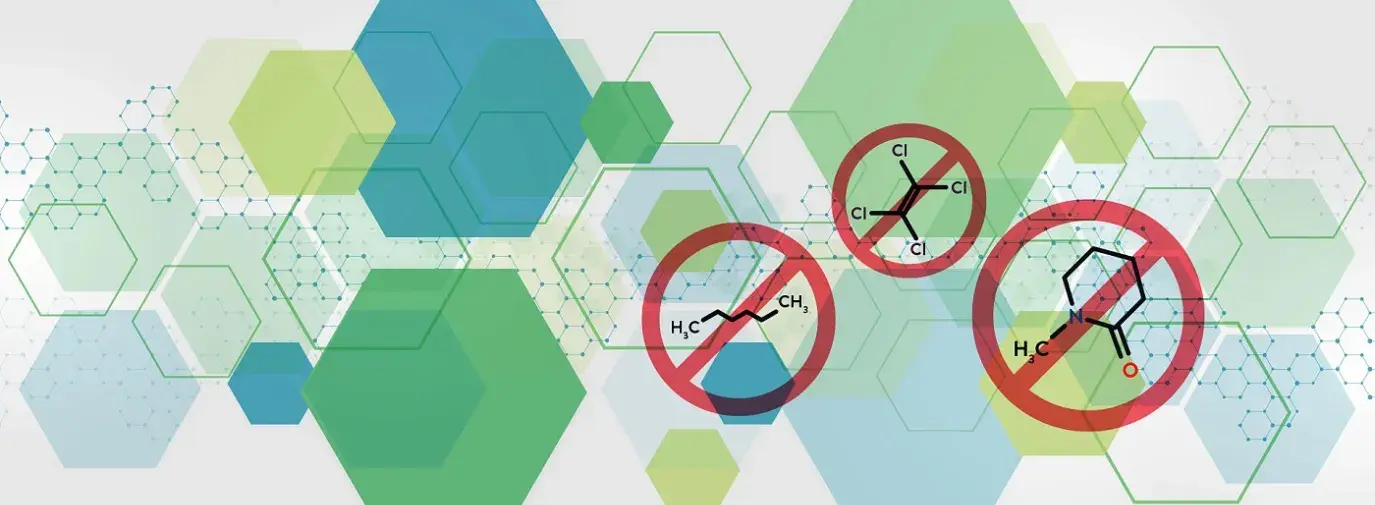
But there are toxic substances used in the manufacturing process itself, such as solvents, degreasers, and cleaners, which are often not included in the “ingredient list” of a device because they are absent by the time the device makes it into the hands of users. For example, chlorinated solvents are suspected carcinogens; methanol can be easily absorbed through skin and may cause blindness and kidney failure; and 2-ethoxyetheyl acetate can cause reproductive harm. Some of the workers who build electronics every day may be exposed to these substances on a regular basis.
Pamela Brody-Heine has been the Senior Director of CEPN for six years, helping to move the needle towards improved worker chemical safety in electronics manufacturing. She works with Senior Program Manager Mary Swanson, Program Manager Ginger Leib, and Senior Fellows Steve Brown and Michelle Turner. Together, they collaborate with major players in the electronics industry and other stakeholders towards zero exposure for workers.
“Well-known brands have come to the table to work with the network—Apple, Dell, HP, and Fairphone—that’s a win,” says Swanson. Getting these large corporations to sign onto Towards Zero Exposure, CEPN’s flagship program, has set a bold standard in shaping the culture around worker chemical safety. That is because of the influence the Signatories have on the industry.
“If you look at most of the big brands, they have supplier companies that do most of the manufacturing,” says Swanson. The Towards Zero Exposure program requires each Signatory to work with at least 15 production facilities, and some work with many more, to eliminate specific toxic chemicals from the manufacturing process. Altogether, “more than 200 supplier companies involved have been positively impacted by the Signatories so far,” says Swanson.
A Decade of Industry Change and A Future of Growth
CEPN’s newest project takes on chemical safety training. For the last two years, CEPN and partners have been drafting comprehensive training modules for workers and managers so that they are more informed on chemical safety to protect their own health and the health of their teams.
“This gives access to training resources to suppliers that are [part of earlier stages] in the supply chain that might not have resources on chemical safety training available,” says Leib.
The Chemical Safety Training Program is currently offered in three formats: in-person, live webinar, and interactive digital training formats. It includes topics such as workers’ right to know about chemical hazards and risks, hazard communication, control approaches, emergency response, and methods to promote worker engagement. The trainings are currently offered in six languages (English, Vietnamese, Malay, Thai, Tagalog, and simplified Chinese) with the intent to expand the range of available translations.
Leib says that beta test feedback of the Chemical Safety Training program, which took place from November 2024 to January 2025, was extremely positive. A year later, CEPN is excited to grow a
network of qualified trainers that can continue to deliver the Chemical Safety Training modules.
To further incentivize facilities to go through the Chemical Safety Training modules with their workers, CEPN has included a Supplier Recognition component. After a certain percentage of workers and managers have completed the training, the facility can be recognized on CEPN’s official list. So far, facilities in Vietnam and Malaysia that took part in the beta test and wish to be recognized are visible on the CEPN website.
A Green Economy for All People
Born from Green America’s mission to protect all people and the planet, CEPN has made great progress in electronics manufacturing safety for workers. As of February 2026, CEPN’s Towards Zero Exposure and other programs have improved worker chemical safety and extended to facilities in at least 30 countries and 800 facilities around the world. When hazardous chemicals are eliminated across the supply chain, it protects workers, their communities, and the environment from those chemicals.
Additionally, the positive beta test feedback demonstrates that CEPN’s chemical safety training addresses a workplace gap regarding education for electronics manufacturing workers. Leib states that CEPN will make more translations available as the program expands to make training even more accessible.
The Towards Zero Exposure program will continue to work with Signatories to eliminate priority chemicals from the manufacturing process. This work is as important as ever in a global economy that is increasingly dependent on electronics, especially when political administrations are slow to enact federal protections for workers. With its multi-stakeholder format—engaging workers, multi-national companies, and the global supply chain—CEPN can improve the lives of workers even in the absence of governments passing worker health and safety legislation.
In a globalized world, CEPN’s work is crucial to making workplaces safer and healthier for all people and the planet.
The Clean Electronics Production Network is part of Green America’s Center for Sustainability Solutions. The Center brings together diverse groups of stakeholders to solve sustainability problems that no individual business, organization, or leader can solve alone.