No economy can exist for long without a healthy workforce. However, too many corporations
continue to chase ever-increasing profit margins at the expense of our planet and the people whose labor creates those profits in the first place. And it is corporations, not workers nor their communities, that are often protected by state and federal policies.
According to the Economic Policy Institute, the number of states blocking labor protection laws has been rising since 2013. Currently, 44 out of 50 states have preemption laws that target worker rights, which means that even if cities, counties, and other local governments pass ordinances to benefit workers, state legislatures can still render them void. At the federal level, the administration has directed the Environmental Protection Agency (EPA) to stop factoring in the cost to human lives when deciding whether to set new limits on the amount of ozone and fine particulate matter industries spew into our environment—the only cost that now matters is corporations’ bottom lines.
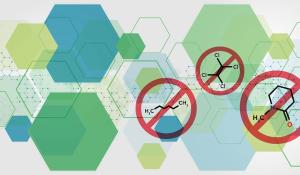
Industries can keep insisting that contaminated soil and drinking water, an unstable climate, workers’ exposure to toxic chemicals, and child labor are unavoidable prices to pay when doing business, but Green Americans know we can and should do better than that. No profits are worth the price of people’s wellbeing and the health of our planet. It’s why readers like you have supported our campaigns to end child labor in our global supply chains and demand Big Beer stop using toxic pesticides that harm beer enthusiasts and the bees that pollinate our crops alike. It’s how Green America’s Center for Sustainability Solutions continues to build on its previous successes with our Clean Electronics Partner Network to protect the workers exposed to toxic solvents while they make the devices we depend on.
And we’re seeing more small businesses and green entrepreneurs prove that success doesn’t require exploiting workers. In fact, they embrace doing business in ways that value worker safety, prioritize ethical partners in their supply chain, and view a healthy planet as essential to good business.
But while we advocate for sustainable economic systems, the current administration’s policies continue to put workers and the communities that depend on them at the front lines of injustice. Nowhere is this more apparent than the ongoing months-long siege of immigrant and BIPOC communities nationwide by federal immigration raids. According to the Department of Homeland Security (DHS), as of January 2026, 73,000 people are being held by the federal government in immigration detention centers, a 75% increase over the past year; over two-thirds of those detained lack any criminal convictions and most have no violent offenses. According to the American Prospect, thirty-five people have died in ICE custody over the past year, making 2025 the deadliest year for the agency in two decades. As of February 17, over a dozen people have been shot by immigration officers since September, five of whom died: Isaias Sanchez Barboza, Silverio Villegas González, Renee Good, Keith Porter, and Alex Pretti.
Meanwhile, the U.S. Bureau of Labor Statistics noted that in 2023, foreign-born workers, including those who are undocumented, account for nearly 19% of the total U.S. labor force, from academia to the arts to engineering, as well as medical research, domestic assistance, and more. Over eight million un-
documented workers alone are employed in physical labor-heavy and often high-risk industries, including agriculture, service, manufacturing, and construction. People who come from the same communities that already suffer disproportionate harmful impacts from pollution, worsening climate disasters, and workplace discrimination now also face being torn away from their loved ones and disappeared into a massive system of forceable displacement and deportation, or worse.
As Green Americans, we recognize how these horrific abuses are part of larger systems that also excuse the exploitation of workers and the environment to enrich corporations that care for nothing beyond their profit margins. We must continue to act in solidarity with and demand justice for those from at-risk communities, whether they’re our loved ones, neighbors, coworkers, colleagues, or complete strangers. Not just because they contribute to our local and national economies, but also because it is the right and moral thing to do.
A green world can only exist if we stand up for each other.