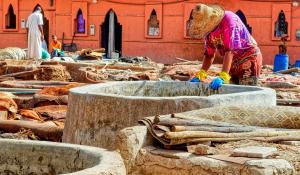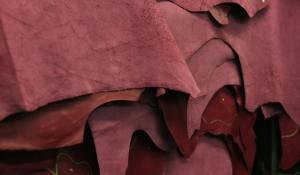
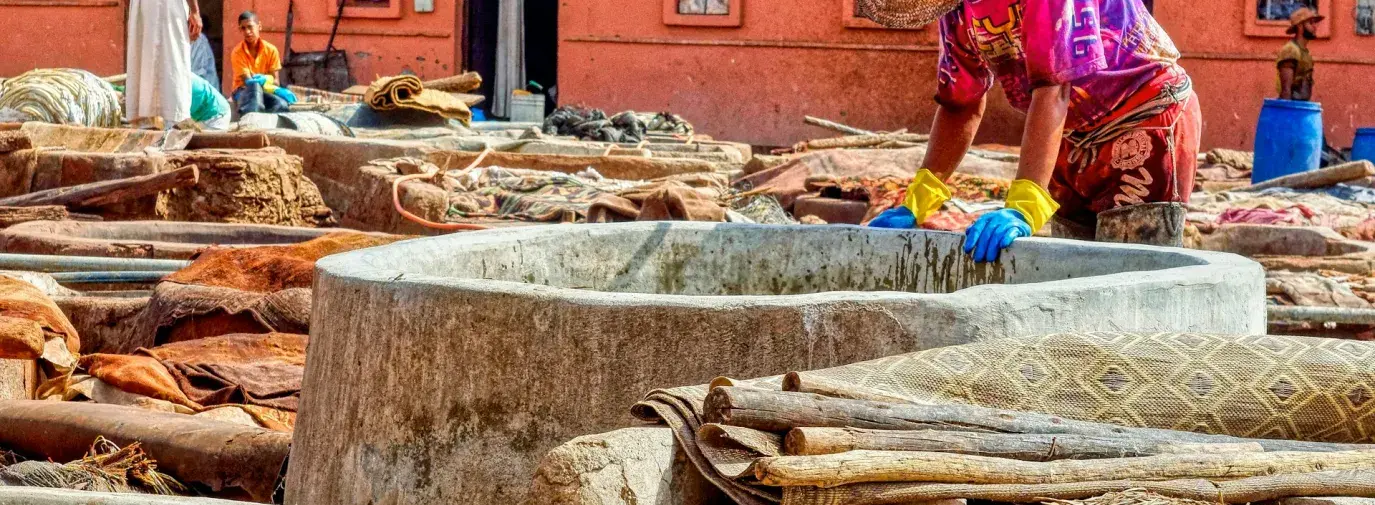
Our recent report, Hidden Hands: Child Labor in Bangladesh's Leather Industry, documents extensive child labor and the use of toxic chemicals in leather from Bangladesh.
While companies selling leather bear the greatest responsibility for making leather production safer for workers and for communities, consumers can play a role as well.
If you choose to buy leather or leather-like goods, a few deliberate steps go a long way toward keeping harms to people, animals, and the planet out of the cost of your purchase.
Stop buying new leather
Well-made leather, especially vegetable-tanned leather, can last decades. Before buying new, work through these first:
- Buy used. Thrift shops, secondhand marketplaces, and garage sales are full of leather goods already made years ago — often better for the wear, with softened edges and character new items don't have.
- Buy recycled leather. Look for goods made from reconstituted scraps, offcuts, and manufacturing trimmings. Same durability, no new hides.
- Consider recycled rubber. For shoes, bags, and accessories, recycled rubber can match leather's durability while giving discarded tires and manufacturing surplus a second life — and holds up better against water.
- Refurbish what you own. Leather is repairable: scuffs buff out, seams restitch, soles replace. A local cobbler or leatherworker can extend an item's life well past its first owner.
If you do buy new
Ask how it was tanned
Chrome tanning is the dominant method worldwide, but it relies on chromium, which can be carcinogenic and can pollute nearby communities if wastewater is mismanaged.
Vegetable tanning — the oldest method, using natural tannins from bark and leaves — carries substantially lower environmental and health impacts, according to a 2023 life-cycle study of Italian tanneries.
No tanning method is harmless, though: careless vegetable-tanning operations can still pollute, and irresponsibly sourced tanning materials can add to the deforestation already caused by raising cattle.
Look for real alternatives
Not everything sold as "vegan leather" is a responsible choice. Most is polyurethane or PVC — plastic that sheds microplastics, resists biodegrading, and is made with chemicals that can harm factory workers and nearby communities.
Instead, look for leather alternatives made from renewable, plant- or fungi-based sources. The field has grown fast: from a handful of options a decade ago to more than 70 companies by 2024, a market projected to more than triple every three years. Promising plastic-free materials include those made from olives, grapes, brewery waste, mycelium, and grain proteins — several already used by brands like Ganni, and in development with Kering's luxury houses.
Even the best current alternatives often still use some polyurethane for strength. Favor plastic-free options where you can find them and ask brands that haven't invested in bio-based materials why not.
Speak up: Hold companies accountable
Even brands using better materials need to answer for their impact on workers and the environment. Check a company's public reports before you buy — silence on these questions is itself a signal — and ask directly:
- Do you publish and enforce human rights and environmental standards across your suppliers?
- How far down your supply chain can you trace — to tanneries? To farms?
- Do you support workers' right to organize, and say so publicly?
- Do your prices reflect the true cost of living wages and safe compliance?
- Are you investing in a just transition to ethical, renewable materials?
Resources for consumers
Want to learn more? Check out the following resources:
Their Under Their Skin report series covers labor, environmental, and animal-welfare issues across leather supply chains, plus a directory of alternative-material companies.
Rankings and guidance on leather alternatives, plus ongoing scores of brands' social and environmental performance.
Green America's GreenPages.org
Shop certified member Ooloop, which sells products from Deadwood and Veja, using upcycled scraps, offcuts, or traceable, vegetable-tanned leather.
Highlights brands such as Ashoka Paris, Gunas New York, and Miomojo, working in materials like bamboo, mushroom, apple, and cactus leather.