The leather sector is highly profitable, with the global leather goods market reaching $242.85 billion in 2022 and projected to surpass $400 billion by 2030.
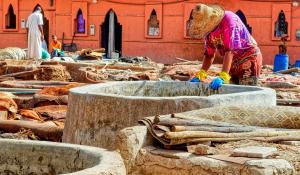
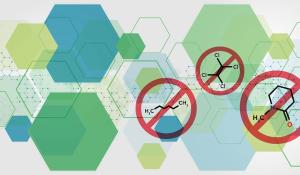
Leather production also subjects workers, communities, and the environment to multiple harms. The leather production supply chain relies on more than 200 toxic chemicals, exposing workers of all ages to serious health risks. In tanneries and workshops, both adults and children suffer chemical burns, respiratory illnesses, chronic skin disease, and frequent injuries from unsafe machinery and hazardous materials. Local communities also experience harms from chemical run-off.
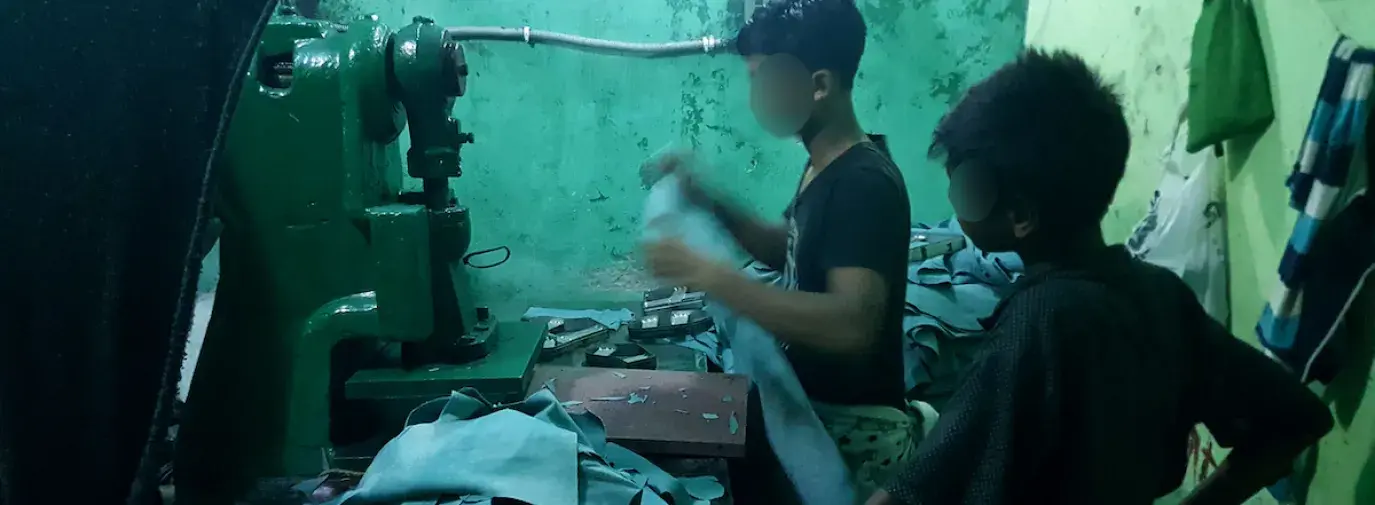
Green America recently worked with a researcher in Bangladesh to document these impacts in that country, and in particular, the exposure of child laborers to harsh labor conditions, including toxic chemicals.
With a population of more than 170 million people, roughly 14 percent of Bangladesh’s workforce depends on jobs linked to the leather industry, from large tanneries to informal workshops, and many of these workers enter the leather labor force as children.
Detailing the experiences of children exposed to unsafe and exploitative labor conditions within the overall corporate, economic, and legal landscape in Bangladesh and Southeast Asia, we found:
- In Bangladesh’s informal tannery sector, child labor is often an open secret. With weak labor inspections and little fear of penalties, employers routinely hire minors to perform the most dangerous jobs.
- Bangladesh has some of the most hazardous tanning and dyeing operations in the world. Much of the semi-finished leather processed there is then shipped to China for further manufacturing into consumer goods destined for wealthy countries.
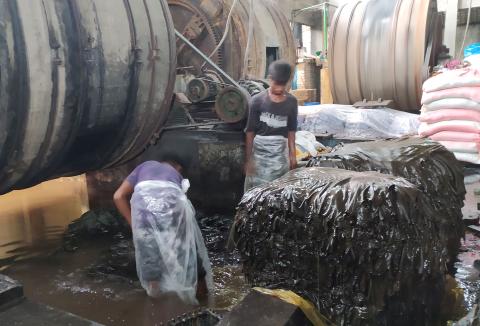
- Leather tanning and processing in Bangladesh exposes workers to highly toxic chemicals without adequate protection. Workers routinely handle substances such as hexavalent chromium, formaldehyde, arsenic, sulfides, and banned azo dyes—many of which are classified as carcinogens or highly hazardous chemicals by international health agencies (Cividep, 2023).
- Safety regulations are frequently ignored or unenforced, leaving workers vulnerable to acute injuries such as acid burns, chemical splashes, and respiratory distress. Moreover, the workplace environment is physically taxing: nearly 80% of workers report exposure to harmful noise levels, and over 70% labor in sweltering heat and humidity without adequate ventilation (Cividep, 2023).
- Chronic exposure to these chemicals causes a broad spectrum of severe health problems, including chronic skin conditions like dermatitis, respiratory diseases such as bronchitis and asthma, neurological damage, and several forms of cancer, particularly lung and bladder cancer. It also contributes to significant mental health issues.
- These conditions are compounded by low wages, with laborers, including child laborers earning irregular, informal, or seasonal pay.
- A key factor enabling these conditions is the leather industry’s low transparency. A 2024 study found that only 17 out of 100 major leather brands publicly disclose suppliers beyond their top-tier factories (Together for Decent Leather). Certification programs like the Leather Working Group (LWG) focus primarily on water and chemical management, often overlooking critical labor rights and worker protections (SOMO, 2022). This loophole-filled system allows multinational brands to continue sourcing from factories and tanneries with documented abuses while marketing themselves as ethically responsible to consumers in the Global North.
- The leather industry creates significant environmental impacts as well.
- Bangladesh’s tanning sector produces substantial emissions—an estimated 65 to 110 kg CO₂ per square meter of leather, especially under chromium tanning (Research Gate).
- Tanneries discharge heavy metals like hexavalent chromium that are absorbed into crops and fish, leading to bioaccumulation in the food chain and elevated cancer, liver, and kidney disease rates in nearby populations (Financial Express).
Corporate and Consumer Actions
To address child labor and other abuses documented in the report, corporations should take the following actions:
- Adopt a strong due diligence program to prevent young workers from being employed in hazardous conditions and immediately correct the situation if a violation is found. Due diligence processes must go beyond conventional social compliance auditing and include: effective grievance mechanisms, support for rights-training programs, and incentives for good performance by suppliers.
- Support worker-driven social responsibility programs. Worker-driven social responsibility is a “bottom up” approach that can achieve superior results by embedding enforceable labor-rights agreements into companies’ contracts and giving workers a central role in monitoring and enforcement of these agreements.
- Adopt supply chain transparency. One of the most important steps companies can take is to thoroughly map the networks of suppliers involved in their operations and disclose these connections.
- Extend Protections throughout the supply chain. Buyers must extend due diligence and the accountability mechanisms of worker-driven sustainability efforts to suppliers and producers of inputs at deeper tiers of their supply chains.
- Collaborate on systemic improvements. Buyers should conduct risk assessments to identify the biggest systemic problems in their supply chains and use the results to prioritize investment into solutions for systemic issues.
- Invest in ethical and renewable material alternatives. Leather alternatives crafted from agricultural waste, plant fibers, and other renewable materials offer a promising path for companies to avoid the worst problems of the conventional leather industry and invest in more sustainable and ethical solutions.
Consumers can also play a role in shifting the market to more responsible practices. Consumers actions include:
- Not buying new leather: Leather is a highly durable product, so consumers should look for used, recycled, or refurbished leather products where possible.
- If purchasing new leather products, look for vegetable-tanned leather with natural dyes.
- Looking for ethical, renewable alternatives: leather alternatives made from natural and renewable materials, such as those derived from plants, fungi, or microbial production, are increasingly available – but avoid fake leather made from petroleum products.
- Researching companies before purchasing: To learn more about a company’s practices, consider reviewing its publicly available materials, such as its corporate social responsibility report or website, checking for information about the company’s leather sourcing before reaching out to companies via letter, email, chat, or phone. If a company’s policies and practices are lacking, let them know via email, letter, or online chat, and tell them you are taking your business elsewhere and why.