Leather is associated with luxury and durability, and it’s everywhere. It’s in our sneakers and jackets, our handbags and belts, and our furniture and car seats. As I write this piece, I’m wearing two pieces of clothing made from leather. Many global actors rely on the complex supply chain of animal hides to create leather-based consumer goods and unfortunately, there are many opportunities for environmental and social harm along the way.
Green America recently worked with a researcher in Bangladesh, A.K.M. Maksud, who has long been an advocate for labor reforms, to examine the leather supply chain in that country. He found children as young as eight working in leather processing facilities, exposed to harsh chemicals, with no opportunity to attend school.
“Hidden Hands: Child Labor in Bangladesh’s Leather Industry,” is our report based on his research, set to launch publicly this spring. It documents the experience of four young leather workers who’ve labored in tanneries since childhood. One of the young men interviewed, Tariq, shared experiences that illustrate the harsh conditions in leather tanneries.
Tariq was eight years old when he started working in a tannery in Hazaribagh, Bangladesh, one of the world’s most notorious leather-processing hubs. He was forced to leave school a few days into first grade to help support his family.

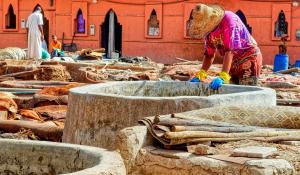
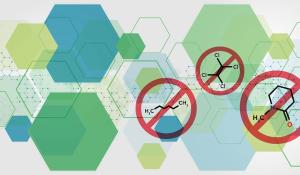
In the tannery, Tariq’s small hands first trimmed scraps of raw hide, scraped off meat and fat, and nailed hides onto wooden boards to dry. As he grew older, he began carrying buckets of chemicals like lime, sulphate, chromium, and formic acid. He learned how to mix and handle these toxic substances without gloves, masks, or any protective gear. Spills burned his skin and acid splashes left blisters and scars. Fumes stung his eyes and made him cough, but there was no way to avoid them. When he was fifteen, a spinning drum handle smashed his hand so badly [that] the bone broke through the skin. He missed two months of work, then went back because he had no other way to survive.

Today, at twenty, Tariq still works as a chemical mixer and dye man. The same chemicals he handled as a child still touch his bare skin every day. His hands and feet remain scarred and cracked from constant contact with acid and tanning waste. With no chance to return to school, he sees no path out of the tannery except for more years of the same dangerous work.
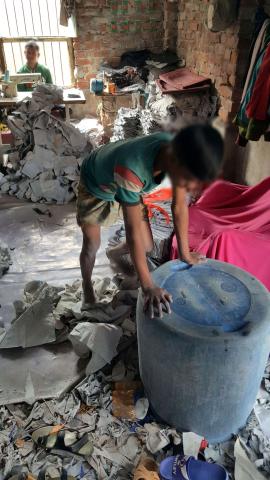
Leather and footwear are the second largest export industry in Bangladesh, and more than one out of every ten Bangladeshis work in the leather sector. The U.S. imports $8.7 billion of leather goods from Bangladesh each year. It’s essential that companies and consumers take action to ensure ethical leather production in Bangladesh and around the world.
Our report documents steps companies should take to ensure suppliers are protecting workers and prohibiting child labor, and how to give workers a central role in monitoring and enforcing labor rights agreements. Companies should also advocate for systemic reforms of the industry and develop responsible alternatives to leather. Green America is sharing these recommendations with major leather importing companies and asking them to work with us to implement these solutions.
As consumers, we can promote more responsible practices as well. We can refurbish current leather goods and buy used or recycled leather when possible. We can also support responsible alternatives to animal leather, such as recycled rubber and plant-based leather. People for the Ethical Treatment of Animals (PETA) has a guide to plant-based leather companies on its website: “From Apples to Kombucha Tea: See the Ingenious Way Designers Are Making Vegan Leather.”
When buying new leather, look for vegetable-tanned leather that avoids the use of toxic chemicals like chromium. For example, Green Business Network® Member OOLOOP offers products made from upcycled leather scraps, free-range grass-fed animals, and/or vegetable-tanned leathers.
Together, consumers and businesses can support the call of workers and communities for greater responsibility in leather production in Bangladesh. Stay tuned for more ways to take action from Green America in the coming year.