
Late August and early September can feel like a turning point in the garden. Tomatoes may still be ripening, herbs may be flowering, and vines may be sprawling everywhere—but the first signs of fall are beginning to show. This late summer transition is a perfect time to pause, tend what remains, and make choices that keep your garden productive, resilient, and aligned with the values of Climate Victory Gardens, like: building healthy soil, protecting biodiversity, growing food locally, and working with nature instead of relying on synthetic chemicals.
Reset the Garden Without Wiping It Clean
A late-summer gardening reset does not have to mean stripping your plot bare. Start by harvesting what is ready, trimming back damaged or diseased foliage, and removing plants that are truly finished. Compost healthy plant material, but keep diseased leaves or heavily pest-damaged plants out of the compost pile unless you are confident your system gets hot enough to break pathogens down.
As you tidy, think selectively. Leaving some seed heads, hollow stems, and fading flowers can provide food and shelter for birds, beneficial insects, and pollinators. Adding compost, refreshing mulch, and covering exposed soil helps protect soil life from heat, erosion, and moisture loss. These simple steps matter because Climate Victory Gardens are rooted in soil health: living soil stores carbon, supports microbes, holds water, and reduces the need for synthetic fertilizers.
Plant for Fall Harvests
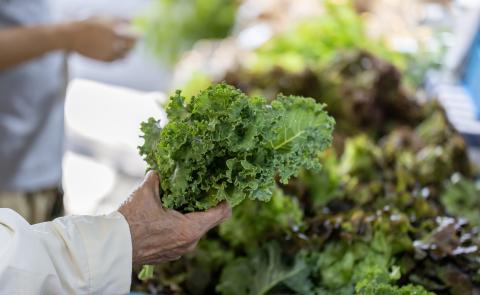
Late summer is also the beginning of the fall growing season. In many regions, this is the right time to sow or transplant cool-season crops such as kale, spinach, lettuce, radishes, carrots, beets, peas, cilantro, and parsley. Gardeners can also begin planning for garlic planting later in the season and consider cover crops for empty beds.
Fall crops make good use of garden space that might otherwise sit bare. They extend the local food harvest, reduce reliance on food shipped long distances, and keep roots in the ground for more of the year. Even a small bed of greens or herbs can contribute to a lower-impact food system. When planted without synthetic pesticides or fertilizers, fall gardens also support cleaner waterways, healthier soil organisms, and safer habitat for pollinators and other beneficial insects.
Save Seeds for Resilience
Seed saving is one of the most empowering late-summer gardening tasks. Start with easy crops like beans, peas, peppers, calendula, marigolds, basil, or other open-pollinated flowers and herbs. Let seeds fully mature, dry them well, label them clearly, and store them in a cool, dry place for next year.
Saving seeds helps gardeners become less dependent on outside inputs and more connected to the full cycle of growing. Over time, seeds saved from healthy plants can become better adapted to local conditions. This supports resilience in the face of shifting weather and strengthens biodiversity.
Late-summer gardening can still be as productive as it was at the beginning and middle of the season. By resetting gently, planting for fall, and saving seeds for the future, gardeners can turn this seasonal transition into climate action: Feeding their families and communities, protecting pollinators, nourishing the soil, and helping build a more regenerative food system one garden at a time.