A Quick Guide to get you Started
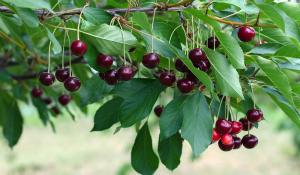
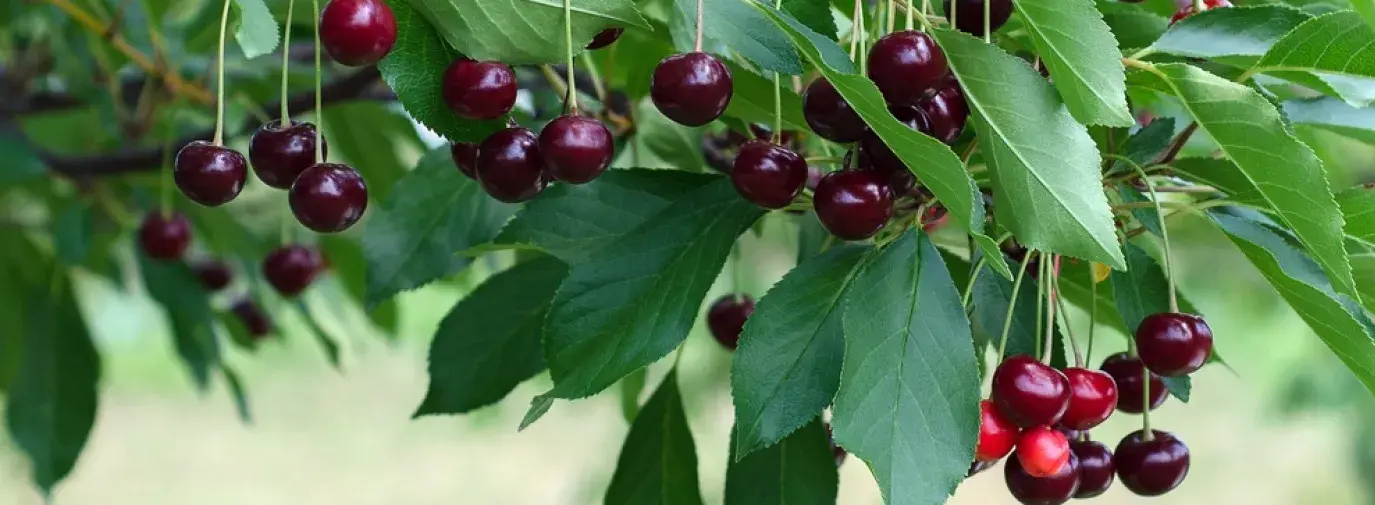
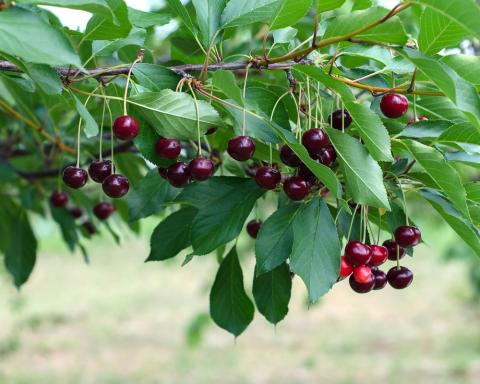
While Fall is a time to harvest the final veggies in our gardens and put them to bed, it is also an active planting season! Many plants, including fruit trees, need a dormant period before being able to produce their flowers or fruit. Planting them in the Fall gives them a chance to take root and adjust to their new home before the ground freezes. Fruit trees are a beautiful addition to our gardens, well worth the often years-long waiting period between planting and producing bountiful fruits. You can look at the USDA’s hardiness zone map to learn which trees grow best in your zone. It is best to grow local varieties that are naturally adapted to your region.
Fruit trees are best planted from early fall until the ground freezes. Be sure to research winter care for them as well. If you miss planting in the fall, it isn’t impossible to do so in the spring. If you do plant in the spring, one trick that you could use for stone fruit trees (think plumbs and peaches—fruits with pits!), for example, is placing the pit in a moist paper towel in the refrigerator for 10 weeks before transferring to the ground.
In his book “The Continuous Vegetable Garden”, Charlie Nardozzi recommends “[using] dwarf and self-fertile varieties [to] reduce both the space needed and the workload required to grow and care for [them][1].” (His book provides a helpful, more in-depth guide to planting berries and fruit trees!)
Hard- and Softwood Cuttings
Stoddart provides some quick guidelines for starting trees from hard- or softwood cuttings.
- Hardwood cuttings: best taken in winter when the plant is dormant. This is great for soft fruits like gooseberry, figs, grapes, and mulberries.
- Softwood cuttings: best taken in summer and can be started from herbs such as rosemary, oregano, thyme, sage, and lavender.[2]
Tips for planting in the face of Climate Change
Climate change is affecting how all of our plants grow. It is causing the USDA hardiness zones to shift. Fruit trees, in particular, often need a certain amount of “chill” hours to bud and fruit properly. Many fruit trees, including apple trees, grow in temperate climates; however, as Morgan and Stoddart note, “ [Being] warmer in summer is not necessarily a bad thing. The problem facing [fruit trees] has more to do with mild winters and wet springs and a generally more erratic climate overall[3].” If you live in a place where the temperatures no longer drop low enough at night for proper budding, consider trying to plant a variety that requires fewer chill hours. Morgan and Stoddart also suggest planting larger trees (vs. dwarf trees), as their roots go deeper, making them more resilient to climate change.
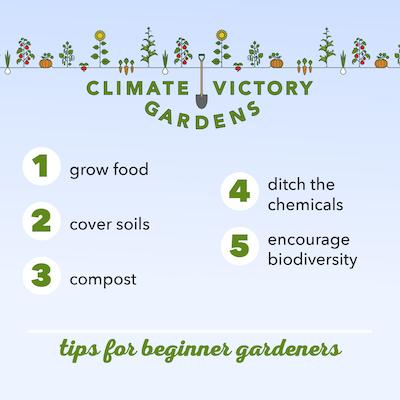
Our Climate Victory Garden tenets hold true for planting fruit trees as well. Just like we encourage for the rest of your Climate Victory Garden, plant a diverse variety of trees. Doing so helps make your trees more resilient to pest and disease outbreaks. Planting a variety of fruit trees also allows you to eat fresh fruit throughout the season, and provide you with enough to freeze or can to eat throughout the winter. What’s more, grow native trees for a more resilient garden. Native trees will be better adapted and hardier to your climate zone, as well as more compatible with native pollinators.
Mulching around the fruit trees helps them withstand extreme temperature changes.
Beyond Apples
Serviceberry (saskatoon) trees are great to plant. They’re hardy and produce beautiful flowers. Many people have them in their yards as ornamental trees; however, the berries are similar to blueberries and great for eating fresh, as jam, or baked into pies!
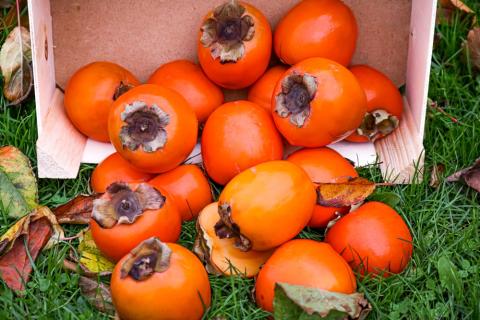
American persimmons (not to be confused with the Asian persimmon grown in warmer climates, including in the US) do well in many areas of the US. American persimmons must be fully ripe to enjoy, while the Asian persimmon can be eaten prior to full ripeness.
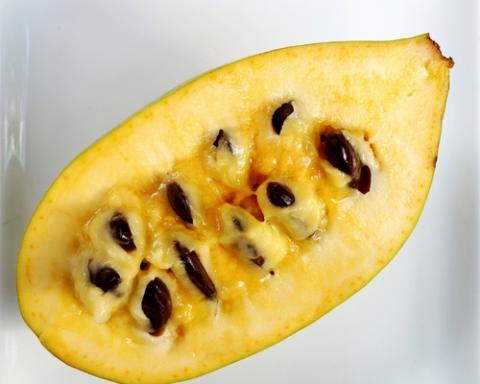
If you’re in the Midwest to the east coast, you can plant a pawpaw tree—the US’s only native tropical fruit—which produces fruit after only 3-4 years. They grow best in Indiana, Ohio, Kentucky, and West Virginia, but they grow in the entire eastern half of the US. Their taste has been described as a custardy banana-mango blend.
[1] Nardozzi, Charlie. The Continuous Vegetable Garden. Cool Springs Press, 2026.
[2] Stoddart, Kim. The Climate Change–Resilient Vegetable Garden. Cool Springs Press, 2024.
[3] Morgan, Sally, and Kim Stoddart. The Climate Change Garden, UPDATED EDITION. 2023.