
Here are seven things being "greenwashed," from granola bars to cleaning products. These items may seem more environmentally friendly than they are, but there are better alternatives for you to consider.
1. Biodegradable Bags
How much do they cost? $5 – $20
What’s wrong with them? Unless you know these bags are ending up in a compost bin, they’re not doing the planet or your wallet any good. There’s a good chance the bags will end up in a landfill where they will fail to decompose due to the anaerobic state of compacted trash.
Buy this instead: Reusable bags made of cotton or with high recycled plastic content are a great choice ($2 – $20). You can also reuse the bags that may package your food ($0).
2. Conventional Granola Bars
How much do they cost? $4 – $6 for a box of 6-12 bars.
What’s wrong with them? Conventional wisdom says that granola bars are a quick and healthy way to start your day, but most of them are filled with genetically modified organisms (GMOs) such as soy and sugars, with little of the beneficial protein and fiber they like to tout on their labels. Some have artificial flavors and preservatives. Nature Valley Crunchy Granola Bars (owned by General Mills), for example, contain soy protein, soy flour, canola oil, sugar, high-fructose corn syrup, brown sugar syrup, and soy lecithin, all of which are highly likely to contain GMOs.
Buy this instead: Certified organic energy bars with high protein and low sugar content. Foods bearing the certified organic label cannot contain GMOs. A handful of organic nuts make a healthy snack, as well.
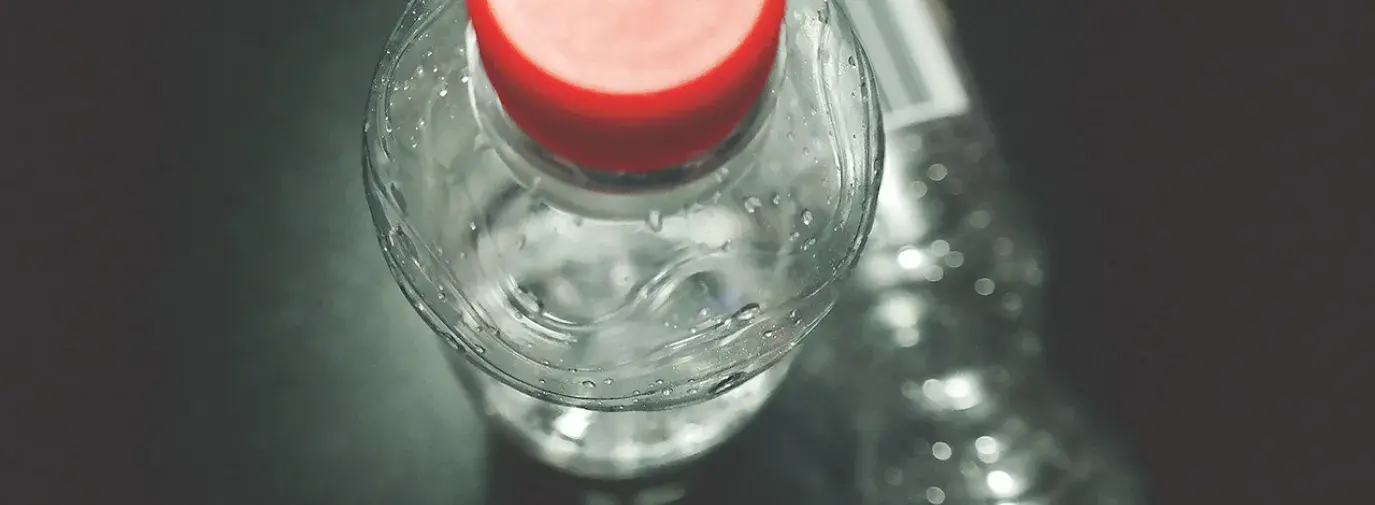
3. "Green" or "Ethical" Bottled Water
How much does it cost? $1 – $5
What’s wrong with it? Bottled water sends approximately two million tons of plastic to landfills each year. Even if all the plastic was recycled, it still represents a huge carbon footprint, especially when you consider how far much of this water must be trucked before it reaches its destination. Plus, plastic downcycles, meaning that you can recycle it once or twice, and then it becomes an unusable mess — which ends up as waste in landfills or the ocean.
Buy this instead: Tap water ($0). If you’re concerned about your local water quality, consider buying a water filter ($30 and up).
4. Flushable Wipes
How much do they cost? $5-$10
What’s wrong with them? “Flushable" wipes is a misnomer. These wipes do not break down in the sewage system the way that toilet paper does and often causes mixes with cooking oil and other substances to cause a "fatberg" that workers have to clean up down the line. Companies get away with calling these wipes flushable, simply because no one has told them not to.
Buy this instead: You are free to continuing purchasing flushable wipes but be sure to throw them in the trash instead of the toilet. Or stick to toilet paper ($8-$16).
5. Recyclable Plastic Products
How much do they cost? $3 – $20
What’s wrong with them? “Recyclable” plastic sounds green, but this phrase is a classic example of greenwashing. Just because plastic is recyclable doesn’t mean there will be facilities available for you to recycle it in your state. It also does not mean that the item contains any recycled content. In addition, as noted in #3, plastic downcycles, rather than recycles, into waste that invariably ends up in landfills or the ocean.
Buy this instead: Replace plastics with reusable glass or metal containers such as a stainless-steel water bottle ($12 – $40).
6. Greenwashed Cleaning Products
How much do they cost? 16 oz. for $12
What’s wrong with them? Many of these greenwashed products claim to be “nontoxic”—a term that is unregulated on product labels and is basically meaningless—yet include toxins in their ingredient list.
Buy this instead: Truly green cleaners certified by Green America’s Green Business Network®. Yaya Maria's (16 oz. for $12), for example, are certified USDA organic, PETA certified vegan and cruelty-free. Another option is to make your own cleaning products.
7. Recycled Polyester Clothing
How much do they cost? $20-$150
What’s wrong with them? Don't let the word "recycled" fool you—polyester is one of the many plastic derivatives of fossil fuels. It is popular with clothing manufacturers because it is cheaper than natural materials like wool and cotton, but it has a negative impact on the environment in the form of microplastics. And it just doesn't last as long or look as good over time.
Buy this instead: Try to find natural materials for your clothing, such as wool, cotton, hemp, and bamboo. It is a higher investment upfront, but a better investment over time for yourself and the environment.